Sikhye
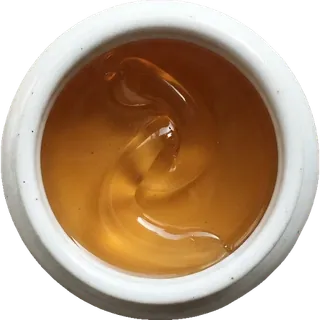
Cooked rice is steeped in water infused with malted barley until the grains loosen and float, then boiled with sugar and served cold with the grains still in the glass. It closes a Korean meal and sits chilled in cartons in bathhouse fridges across the country.
How to order
식혜 하나 주세요.
Sikhye is rice, barley malt, sugar and water with no stock, paste or egg involved, so nothing needs to be asked beyond ordering it: “식혜 하나 주세요.”
History
Sikhye (식혜) is made by steeping cooked rice in water sweetened with the malt extracted from sprouted, dried and ground barley (elgireut), kept warm for several hours until the grains loosen and begin to float, then strained, boiled with sugar and chilled. It is set out as an alcohol-free offering at jesa, the Confucian memorial rite, and appears on the table at Chuseok and Seollal across the country, from Andong in Gyeongsangbuk-do to households in Seoul. Public bathhouses, jjimjilbang, keep it in cartons in the entrance fridge, sold cold after the sauna rather than made anywhere on site.
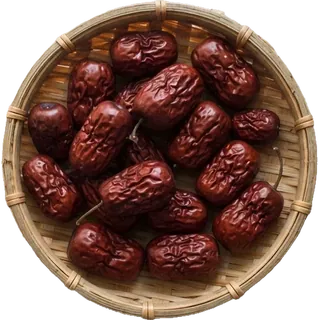
Sikhye carries none of the three usual entry points for animal product in Korean cooking: it is not seasoned with jeotgal, not built on myeolchi-yuksu, and carries no egg garnish, because it is a sweetened grain drink rather than a soup or a kimchi. The base — rice, barley malt, sugar and water — is plant throughout, and the only common garnish, a few pine nuts or shreds of dried jujube scattered on top, is plant as well. Commercial cartons sold in convenience stores and bathhouse fridges use the same formula. There is nothing to confirm before ordering or buying it.
Where to get it
Korean restaurants after a meal, convenience stores and jjimjilbang fridges nationwide, a carton running 1,500-3,000 won; home-brewed batches turn up at markets in Andong, Gyeongsangbuk-do, especially around Chuseok and Seollal.