Sachal-eumsik
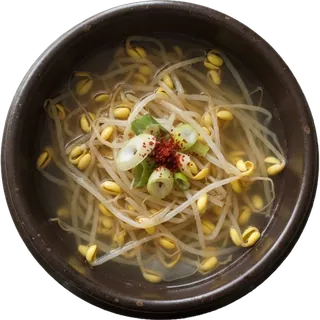
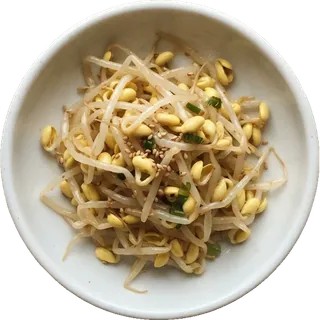
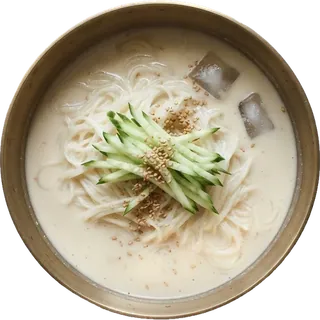
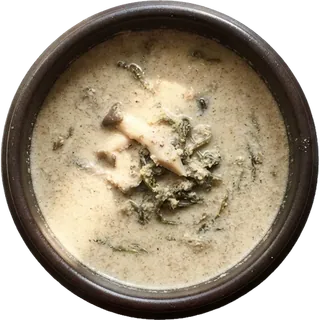
Monastery kitchens cook a diet built entirely around rice, beans, mushroom and wild greens, avoiding meat, fish, dairy and the five pungent vegetables that Buddhist precepts class as stimulating to mind and appetite. It is served at temple-stay meals and lunch halls around Jeollabuk-do, Gangwon-do and Gyeongsangbuk-do's mountain temples, eaten in silence after a bell.
How to order
사찰음식 정식 하나 주세요.
Nothing needs removing from a proper temple meal; the exclusions are set by monastic rule before the kitchen opens, not by what a customer requests. The only thing worth confirming, at a restaurant that markets itself loosely as temple-style rather than inside an actual temple or templestay hall, is that it has not quietly added anchovy stock or fish-sauce kimchi — ask with “멸치 육수랑 젓갈 안 들어간 거 맞죠?”
History
Sachal-eumsik (사찰음식) is the food cooked in Korean Buddhist monasteries, prepared by monks and lay cooks as part of daily practice rather than as cuisine for sale. It developed over the centuries that Buddhism has been practiced on the peninsula, refined in mountain temples such as Seonunsa in Jeollabuk-do, Woljeongsa in Gangwon-do and Girimsa in Gyeongsangbuk-do. Meals follow the farming calendar: wild greens gathered in spring, vegetables dried for winter, soybeans fermented into jang over a year or more. Temple-stay programs now teach the cooking to visitors, but inside the monastery it remains a discipline tied to meditation, eaten in set portions and in silence.
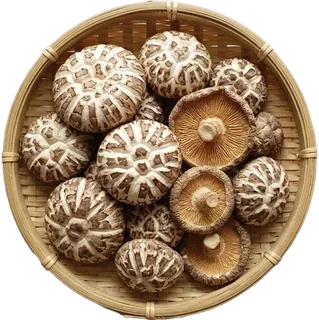
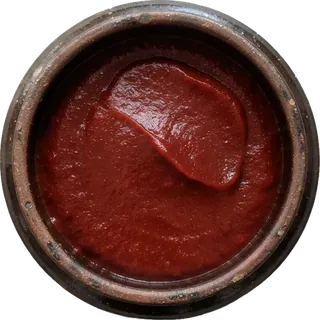
The three usual entry points for animal product in Korean cooking do not apply here. Kimchi in temple kitchens omits jeotgal (젓갈), salted fish paste, relying instead on fermented soybean liquid or sun-dried radish for salt and depth. Stock is built from dried shiitake, kelp and dried radish rather than myeolchi-yuksu, the anchovy-and-kelp broth under most Korean soups and noodles, and egg never appears, not even as a garnish, because monastic precepts exclude it along with all animal flesh. Nothing needs substituting and nothing needs asking after; the restriction is set before any pot goes on the stove, by rule rather than by request.
Where to get it
Temple-stay guesthouses and restaurants attached to mountain monasteries — Seonunsa in Jeollabuk-do, Woljeongsa in Gangwon-do, Girimsa in Gyeongsangbuk-do — serve set lunches to visitors and retreat guests, usually between 11:30 and 1:00, for 15,000-30,000 won; an overnight templestay includes the meals in its program fee.