Tamatiesmoor
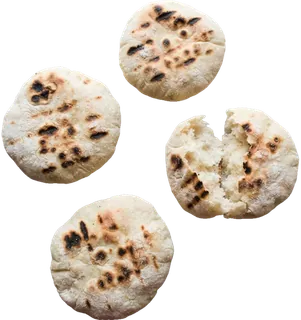
Tomato and onion are cooked down slowly in a pan with sugar and a cinnamon stick until they collapse into a dark, jammy relish. It is spooned onto bread or pap at breakfast and supper tables across the Western Cape, in both Cape Muslim and farm kitchens.
How to order
Ek wil graag tamatiesmoor hê, met olie gemaak, asseblief.
At a Cape Muslim deli or a farm stall the thing to check is whether the pot was started in butter or oil; asking “met olie gemaak, asseblief” settles it, and where the counter runs in English the same question works as “made with oil, please.”
History
Tamatiesmoor takes its name from the Afrikaans verb smoor, to smother or braise slowly under a lid. It belongs to the everyday cooking of the Western Cape, made in Cape Muslim kitchens in and around Bo-Kaap and in Afrikaans farmhouse kitchens across the Boland and Overberg, where it is spooned over bread, rice or pap at breakfast or alongside a bredie at supper. The cinnamon stick and the long, slow cooking trace to the Cape's spice trade, built on people enslaved and exiled to the Cape from the Indonesian archipelago, Madagascar and India under Dutch East India Company rule from the seventeenth century on.
Tomato, onion, sugar and cinnamon are all plant, and the whole pan can be built on vegetable oil. Where an animal product enters is the fat a cook reaches for at the start, when onions go into the pan in butter rather than oil — a choice made in the kitchen, not added afterward at the table. Some cooks also finish the pot with a knob of butter stirred in at the end for shine. What needs settling, then, is simply which fat went into the pan.
Where to get it
Sold by the tub at Cape Muslim delis in Bo-Kaap and at farm stalls across the Boland and Overberg, usually alongside bredies and koeksisters. A few hundred grams runs around R30 to R50, made fresh through the week rather than kept for long.