Tingmo
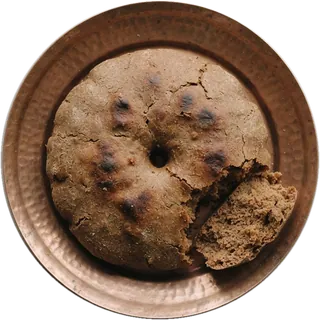
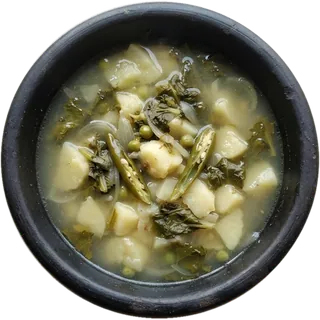
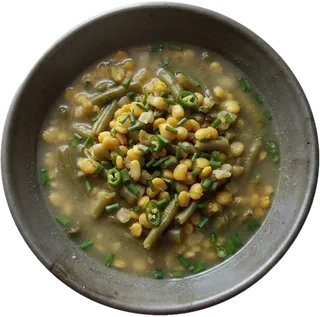
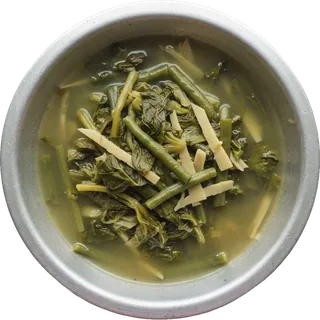
Tingmo is a steamed bread from Leh, Ladakh, made by rolling leavened wheat dough flat, brushing it with oil, rolling it into a cylinder, twisting it into a spiral, and steaming it in batches. Diners tear off pieces to scoop up a stew served alongside it.
How to order
कृपया बिना घी वाला टिंगमो दीजिए।
At a counter in Leh it helps to ask directly: ‘कृपया बिना घी वाला टिंगमो दीजिए’ confirms the bread is served without a butter or ghee finish, and it is worth asking separately whether the stew served with it is a vegetable one.
History
Tingmo is associated with Tibetan Buddhist communities settled in Leh, Ladakh, including refugee settlements established from the 1960s onward. It is sold at bakery stalls and small eateries in Leh's bazaar and near the Tibetan refugee market, and is also made in household kitchens and monastery kitchens alongside stews and vegetable dishes. The dough is rolled out, brushed with oil, rolled into a cylinder, twisted into a spiral shape, cut into coils, and steamed in batches. It is usually eaten warm, torn apart by hand rather than cut, and used to scoop up whatever dish is served beside it.
The standard dough contains only wheat flour, a leavening agent, sugar, salt, water and a small amount of oil, with no dairy or egg worked in, so the bread itself is naturally vegan. In practice a diner should still check what accompanies it: some stalls brush the steamed buns with melted butter or ghee before serving, offer a curd-based side, or steam tingmo in the same baskets used for meat-filled momos. A few Leh eateries also pair tingmo with a meat stew rather than a vegetable one, so the bread can be plant-based while the plate it arrives on is not.
Where to get it
Tingmo is sold at bakery stalls and small eateries in Leh's main bazaar and near the Tibetan refugee market, and is made at home and in monastery kitchens, most often during colder months when steamed bread and hot stew are preferred.