Tsadaré
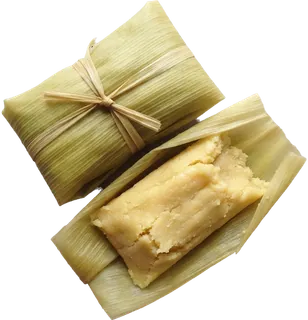
Tsadaré is a maize cake made by A'uwẽ (Xavante) cooks in Mato Grosso: maize kernels are pounded and sieved to a fine meal, mixed with water into a dough, wrapped in wild banana leaf, and baked in an earth oven. It is prepared mainly within Xavante communities, for everyday meals and for ceremonies, and occasionally reaches Indigenous craft and food fairs in nearby towns.
How to order
Me vê um pedaço de tsadaré, por favor?
Nothing needs settling before buying, since tsadaré carries no animal product in any normal version; a simple “é só milho mesmo?” (it’s just maize, right?) is a formality rather than a real check. The sale, when it happens outside Xavante communities, runs in Portuguese at Indigenous craft and food fairs, even though the dish keeps its A'uwẽ name on the label.
History
Tsadaré is the A'uwẽ name for this maize cake; A'uwẽ, often called Xavante in Portuguese, is spoken across Xavante territories in eastern Mato Grosso, including Marãiwatsédé, Sangradouro-Volta Grande, Pimentel Barbosa and São Marcos. Women and men in Xavante households grow maize in swidden gardens, dry and pound the kernels with a wooden pestle, sieve the pounded maize to a fine meal, and mix it with water into a firm dough. The dough is wrapped in wild banana leaf and set into an earth oven dug in the ground, lined with hot stones and embers, then covered over to bake for several hours. It is made for daily meals and for festivals such as the wai'á, and outside Xavante communities is sometimes described in Portuguese simply as bolo de milho, maize cake.
The cake is entirely plant: maize, water, wild banana leaf and the heat of buried embers, with no animal product entering at any stage of cooking. None of the usual additions found elsewhere in Brazilian cooking — butter, cheese, lard, dried shrimp, cured meat, honey, or a stock cube dropped into the dough — are part of tsadaré in any normal version. Buying it therefore involves no check at the counter or asking at the table; the only real variable is whether a piece is available that day, since it is made for Xavante households and ceremonies first and only reaches outside markets occasionally.
Where to get it
Made inside Xavante territories in eastern Mato Grosso — Marãiwatsédé, Sangradouro-Volta Grande, Pimentel Barbosa, São Marcos — for household meals and ceremonies, and occasionally sold at Indigenous craft and food fairs in towns such as Nova Xavantina and Barra do Garças, or at events in Brasília, for roughly R$10-20 a piece when priced at all.