Uphuthu
Maize meal is boiled into a thick mass, then steamed and raked with a fork until it collapses into dry, separate grains rather than a solid block. It is the standard starch of KwaZulu-Natal, served at breakfast or dinner beside beans, chakalaka, wild greens or soured milk.
How to order
Ngicela uphuthu ngaphandle kwamasi, ngiyabonga.
Naming amasi is what to clear, since some cooks fork it straight into the porridge rather than serving it on the side: “Ngicela uphuthu ngaphandle kwamasi.” Many roadside stalls and canteens in KwaZulu-Natal run the counter in English as often as isiZulu, so the request works in either language.
History
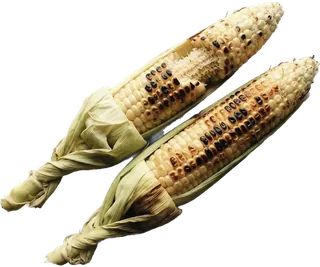
Uphuthu is Zulu for this dry, crumbled maize-meal porridge, the everyday starch of rural and urban KwaZulu-Natal alike. Maize meal is boiled stiff in salted water, then steamed under a lid and raked through with a fork until it breaks into loose, dry grains rather than setting hard. Afrikaans speakers call the same dish krummelpap, crumb porridge, and English menus list it as putu or phutu. Maize itself reached southern Africa through colonial-era trade and became a staple partly through mine-compound rations and apartheid-era agricultural policy, displacing sorghum in many Zulu households over the twentieth century.
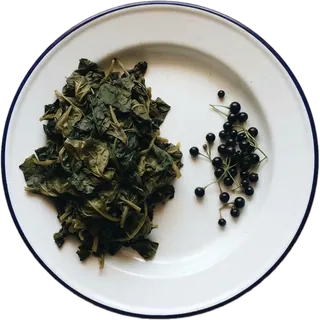
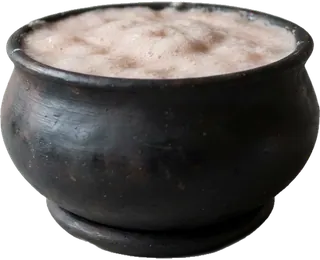
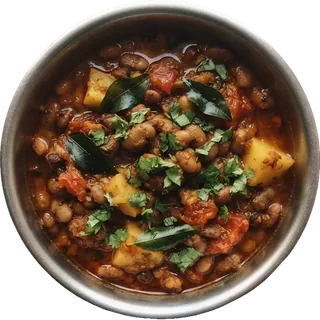
The pot itself holds nothing but maize meal, water and salt, all plant. Uphuthu is rarely eaten alone though: it is forked onto a plate next to beans, chakalaka, or imifino (wild greens), or mixed directly with amasi, clabbered milk soured over a day or two in a calabash or plastic container. The maize porridge is settled before it leaves the pot; what needs asking after that is only whether amasi or another dairy side is added, since the starch and its usual plant accompaniments carry no animal product at all.
Where to get it
Roadside eateries, spaza canteens and school tuck shops across KwaZulu-Natal, from Durban's townships to rural Zululand, served through the lunch hour alongside beans or stew; a plate runs about R15 to R25 at most local canteens.