Uthull Rrushi
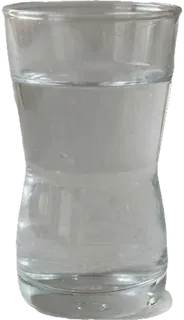
Made from the last of the autumn pressing, left to sour for months in a demijohn covered with cloth instead of a lid, so air reaches it but dust and flies do not. Almost every wine-making household in Berat and Tiranë keeps one in the cellar, drawn off through the year for salads and pickles.
How to order
Na sillni pak uthull rrushi shtëpie, ju lutem.
Nothing about uthull rrushi needs checking: grapes, air and time make the whole thing, and no animal product enters at any stage. The only question worth asking is whether the bottle on the table is the family's own rather than a commercial one, "a është shtëpie?" — still vegan either way, just a different vinegar.
History
Uthull rrushi follows the grape harvest in Berat and in the villages around Tiranë, wherever a family presses its own wine in September and October. The must left at the bottom of the barrel, too thin or too cloudy to bottle as wine, goes into a demijohn with a cloth tied over the neck instead of a stopper, and is left in the cellar to turn. Under communism household winemaking survived on the small private plots the collective farms allowed, and after 1990 many families replanted vines abandoned through the shortages of that decade. The vinegar keeps alongside the wine and raki, drawn off through the winter for the table.
Nothing in uthull rrushi comes from an animal at any stage: grapes, air and time are the whole process, with no gjalpë, gjizë, kos or mjaltë anywhere near it. The cloth over the neck keeps out flies and dust while letting the wine turn; nothing is added to speed the souring or to flavour it afterward. There is nothing to ask for and nothing to settle — the demijohn in the cellar is the same for every household's table, however the rest of that day's meal is cooked.
Where to get it
Family cellars across the Berat countryside and the wine-growing villages around Tiranë, and from farmers at the Saturday pazar in Berat's old town, usually sold by the bottle refilled from the demijohn; expect 150-300 lekë for half a litre, more at an agroturizëm guesthouse table.