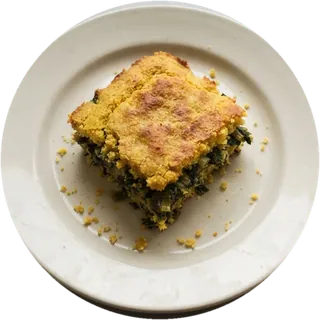
Patëllxhanë të Thatë
Aubergines are cored and threaded on string in July, left to dry under the eaves until they rattle, then soaked back to life in January and stuffed with rice, onion and tomato. Households across the Myzeqe plain keep a string of them for the weeks when the garden has nothing left to offer.
How to order
Një pjatë patëllxhanë të thatë, mbushur me oriz, ju lutem.
The rice filling is plant-based as it stands, but some Myzeqe kitchens and restaurants stuff the same dried aubergines with minced meat instead of rice, so ask for the rice version directly: "me oriz, jo me mish" (with rice, not with meat).
History
Patëllxhanë të thatë come from the Myzeqe, the plain that runs through Fier and Berat qark, where summer heat and flat irrigated land produce aubergines by the cartload. Village women core them whole, thread them on string through the stem end and hang them under the eaves or across courtyard beams, turning them until they dry hard enough to rattle when shaken. They go into the autumn zahire alongside dried peppers and okra, the household's answer to winter, when the garden stands bare. By January or February they are soaked back in water overnight, filled with rice, and baked, oven to table, for Lenten weeks and ordinary family dinners alike.
The filling is rice, onion, tomato and parsley, with a little olive oil — nothing from an animal, and nothing needs settling before it goes in the oven. No gjalpë is brushed in, no gjizë hides in the stuffing, no kos is spooned over at the table. The only thing that touches these aubergines besides the knife is the sun that dries them. Where the same stuffed aubergine turns up on a Myzeqe restaurant menu, it is sometimes filled with minced meat instead, a choice made at the stove rather than on the drying string, so it is the filling that needs asking after, not the aubergine.
Where to get it
Home kitchens and village taverns across the Myzeqe plain, in Fier and Berat qark, from January through March, when the zahire jars and strings come down; a plate at a family-run taverna runs 200-300 lekë.