Akki Rotti
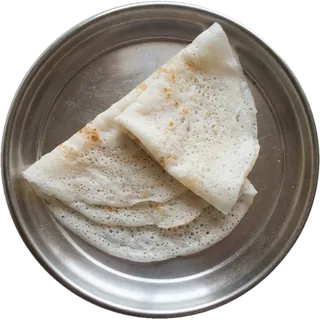
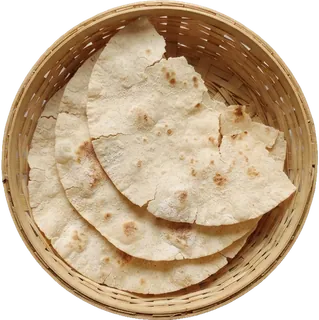
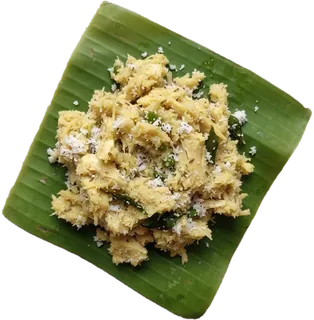
Akki rotti is a flatbread from Karnataka made by patting rice flour dough, mixed with onion, green chilli and coriander, directly onto a hot pan by hand rather than rolling it with a pin. It is cooked with oil until the base crisps and the top stays soft.
How to order
ದಯವಿಟ್ಟು ಒಂದು ಅಕ್ಕಿ ರೊಟ್ಟಿ ಕೊಡಿ.
Since the dough itself is always plant-based, the only question is the cooking fat; ask the cook ‘ಎಣ್ಣೆಯಲ್ಲಿ ಮಾಡಿದ್ದೀರಾ ಅಥವಾ ತುಪ್ಪದಲ್ಲಿ?’ (did you cook it in oil or in ghee?) and ask for oil if ghee is the default.
History
Akki rotti is made in households across Karnataka, particularly in Bangalore, Mysore and the districts of the Deccan plateau, where rice flour rather than wheat is the everyday base for flatbreads. The dough is mixed with grated or finely chopped onion, green chilli, coriander leaves, cumin and sometimes grated coconut, then patted flat directly onto a heated pan with wetted hands, since rice flour dough cannot be rolled with a pin the way wheat dough can. It is served for breakfast or as a tiffin item, often alongside chutney made from coconut or peanut, and appears on the menus of Udupi-style restaurants and Karnataka darshinis throughout the day.
The dough itself contains no animal ingredient: rice flour, water, onion, chilli, coriander and salt are all plant-derived, which is why akki rotti counts among the naturally vegan items on a Karnataka breakfast table. The variable is the fat used to cook it on the pan. Many households and darshinis use oil, but some cook akki rotti in ghee for flavour, or finish it with a spoon of ghee once it comes off the pan, particularly for festival or Sunday breakfasts. A diner who wants to be certain can simply ask whether the rotti was made in oil or in ghee before ordering.
Where to get it
Sold at Karnataka darshinis and Udupi-style restaurants as a breakfast or tiffin item, and made at home across Bangalore, Mysore and the wider Deccan plateau, usually with coconut or peanut chutney.