Kosambari
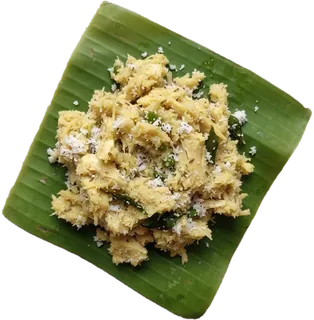
Kosambari is a raw salad from Karnataka made with moong dal soaked rather than cooked, tossed with chopped cucumber, grated coconut, lemon juice and a mustard-seed tempering.
How to order
ದಯವಿಟ್ಟು ಒಂದು ಕೋಸಂಬರಿ ಕೊಡಿ.
Ask ‘ಇದಕ್ಕೆ ಮೊಸರು ಹಾಕಿದ್ದೀರಾ?’ (have you put curd in this), since some cooks stir in a spoonful to soften the lemon's sourness.
History
Kosambari is prepared in Karnataka households and temple kitchens, served at Ugadi, Ganesha Chaturthi and Varamahalakshmi festivals, and offered as naivedya before being distributed as prasadam in temples across Bengaluru and the wider state. The dish is also part of the festive thali at weddings and at the Mysuru Dasara season, where it accompanies rice preparations. Documented from twentieth-century Kannada cookbooks as a staple of the Ugadi menu alongside bevu-bella, kosambari is made fresh each time it is served, since the soaked dal and chopped vegetables do not keep well once salted and dressed with lemon juice.
Nothing animal enters the standard preparation: soaked raw moong dal, cucumber, grated coconut, lemon juice, mustard seeds and oil cover every ingredient in the dish as it is normally made, and no cooking step introduces ghee or dairy. Some home cooks add a spoonful of curd to soften the sourness of the lemon, particularly in versions served alongside a spicier main dish, so a diner checking a specific kitchen or stall should still ask whether curd has gone into the bowl rather than assuming the standard recipe was followed without variation.
Where to get it
Kosambari is sold at Bengaluru darshinis and South Indian mess counters as part of a festive thali, offered as temple prasadam during Ganesha Chaturthi and Varamahalakshmi, and prepared at home for Ugadi.