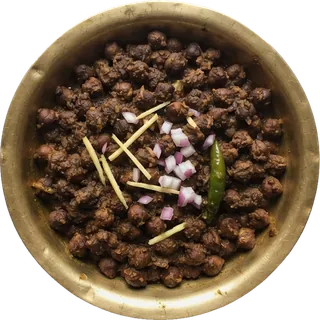
Aloo Tamatar Sabzi
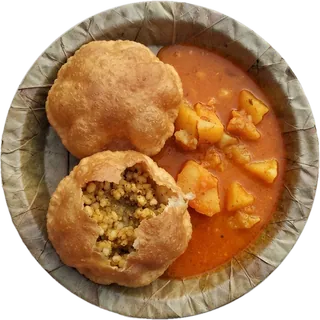
In Mathura, Aloo Tamatar Sabzi is the plain, sour-sharp sabzi found in temple kitchens and roadside thalis alike: boiled potatoes crushed roughly, simmered in a thin, tomato-forward gravy perfumed with asafoetida and cumin, with nothing richer than oil to carry the spice.
How to order
कृपया एक प्लेट आलू टमाटर की सब्ज़ी दे दीजिए।
In Mathura's temple-town kitchens this sabzi is traditionally made without onion, garlic or ghee, so the standard version is already plant-based, though it is worth confirming since some stalls finish it with a dash of ghee or dahi for richness. Ask ‘क्या इसमें घी या दही डाला गया है, या इसे तेल में बनाया है?’ before it is served.
History
Mathura's kitchens, bound up with Krishna-temple cooking, have long favoured sabzis that skip onion and garlic, relying instead on asafoetida (hing), ginger and ripe tomatoes for depth. Aloo tamatar grew out of this satvik pantry: boiled potatoes, broken roughly so the gravy clings and thickens slightly from the starch, dropped into a tomato masala tempered with hing, jeera and red chilli. It travelled from temple kitchens to the pilgrim-town stalls and home kitchens around Vrindavan and Mathura, where it is still eaten with puri or plain rice as an everyday, undemanding dish.
The standard pot holds no animal ingredient: potatoes, tomatoes, hing and spices are cooked in oil - commonly groundnut or another plain cooking oil - with no onion, no garlic and no ghee anywhere in the method. A diner at a thali counter still has two things worth watching for: some restaurant kitchens finish the sabzi with a spoon of ghee for extra richness, and a side of curd or raita is frequently offered as a separate order rather than stirred into the gravy itself.
Where to get it
Best found at thali counters and pilgrim-food stalls around Mathura and Vrindavan, especially near the temple lanes where satvik, no-onion-no-garlic cooking is the norm.