Sarson da Saag
A winter staple of Punjab, sarson da saag is a thick, deep-green mash of mustard leaves slow-cooked with spinach and bathua until they collapse into a dense sauce, then bound with maize flour and served alongside maize flatbread.
How to order
ਜੀ, ਇੱਕ ਸਰ੍ਹੋਂ ਦਾ ਸਾਗ ਦਿਓ ਜੀ, ਘਿਓ-ਮੱਖਣ ਬਿਨਾਂ।
The standard finish for this dish is a generous dollop of ghee or white butter stirred in and often added again tableside, so it is worth confirming directly with the cook by asking ‘ਇਸ ਵਿੱਚ ਘਿਓ ਜਾਂ ਮੱਖਣ ਪਿਆ ਹੈ?’. Since the saag itself is simmered in a shared pot, also check that your portion is ladled out and finished separately before any butter goes in.
History
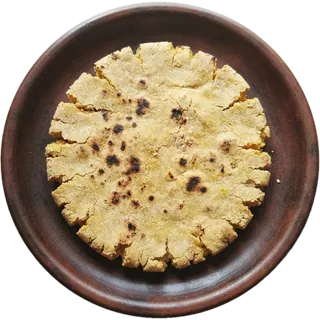
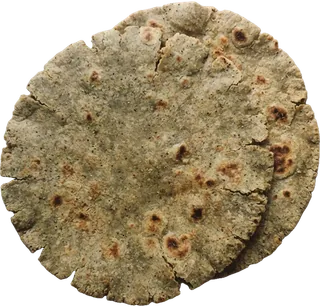
In the fields around Amritsar, mustard grows through the cold months, and households harvest it alongside spinach and bathua once the first frosts sweeten the leaves. The greens were boiled for hours in heavy pots, then beaten with a wooden ghotna into a coarse, fibrous mash rather than a smooth purée. Makki di roti, flatbread of maize flour, developed alongside it as the natural partner, since the same winter harvest that gave Punjab its mustard also gave it maize. The pairing became the signature meal of the rural Majha and Malwa belts around Amritsar before spreading to dhabas and homes across the wider region.
The greens themselves are entirely plant: mustard, spinach and bathua simmered down with ginger, garlic and green chilli, with no meat, stock or dairy needed to cook the saag itself. The animal ingredient enters afterwards, at the finish and the table: a spoon of ghee is stirred through the hot saag just before serving, and a block of white makhan is set on top to melt, both treated as standard in most Amritsari homes and dhabas. To leave these out, ask for the saag cooked and finished in mustard or another plain oil, with the butter left off at the table; the base recipe of greens, ginger, garlic and chilli is unaffected.
Where to get it
Dhabas and home-style kitchens around Amritsar's Majha countryside and old city, especially in winter months (November to February) when fresh mustard, spinach and bathua are in season.