Makki di Roti
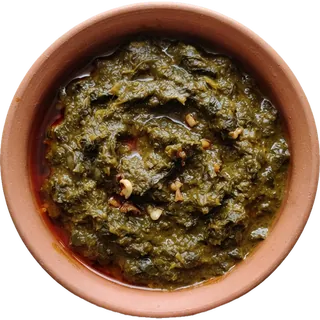
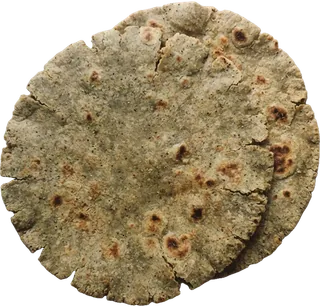
A thick, pale-gold disc of maize flatbread, pressed out by palm and baked on a hot tawa. It is the Punjabi winter staple served with a slab of melting white butter and a bowl of mustard greens on the side.
How to order
ਮੱਕੀ ਦੀ ਰੋਟੀ ਦੇ ਦਿਓ ਜੀ, ਮੱਖਣ ਬਿਨਾਂ
The dough itself is plant-based, so the only thing to watch is the lump of white butter placed on top before serving, which is added by default unless you ask otherwise. Confirm by asking ‘ਕੀ ਇਸ ਉੱਤੇ ਮੱਖਣ ਲਾਇਆ ਗਿਆ ਹੈ?’ (has butter been put on this), and request it plain if so.
History
Makki di roti belongs to the rural winter kitchens of Punjab, where maize ripened in the fields as the cold set in, giving farming households a hot, filling bread through the winter months. Because maize flour has no gluten, the dough cannot be rolled with a pin the way wheat roti is; it is instead pressed directly into a thick round by hand, a technique practised in village homes before it was ever written into a cookbook. Paired with sarson da saag, it became a signature winter meal of the Punjab region and, through migration, of Punjabi households and restaurants well beyond it.
The dough is maize flour worked with warm water and a pinch of salt, so no milk, ghee, curd or egg goes into the bread itself; the fat used for cooking it on the tawa, when any is brushed on, is typically oil or a little butter worked in at the edges. What rides on top is a separate matter: makki di roti is traditionally served with a lump of white butter melting into its surface, and in most homes and dhabas that butter is assumed to come with the plate. A diner wanting the bread plain should ask for it without the butter, and should check whether a side of curd has been added to the meal.
Where to get it
Winter dhabas and home kitchens across Punjab, especially rural Majha, Malwa and Doaba households, as well as Punjabi restaurants serving sarson da saag in season elsewhere in India and the diaspora.