Annab
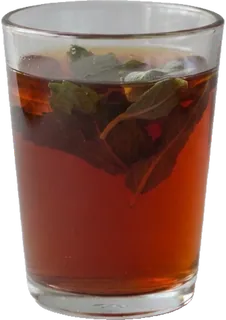
Dried jujube fruit is steeped in hot water, strained and sweetened into a thin reddish-brown drink, sold cold from carts alongside tamarind and carob, most often during Ramadan evenings in Cairo and Alexandria.
How to order
ممكن كباية عناب لو سمحت، بسكر بس
The drink is fruit and sugar by default, but if a cart keeps honey behind the counter for other drinks, ask the vendor to confirm with ‘بسكر مش عسل’ so the syrup used is plain sugar.
History
Annab is made by steeping dried jujube fruit, sold under the same name in spice shops, in hot water, then straining and sweetening the liquid before it is chilled. Street vendors in Cairo, Alexandria and provincial towns pour it from large glass dispensers alongside tamarind, carob and qamar al-din, setting up stalls near mosques and busy streets, especially during Ramadan evenings for iftar. It is documented from twentieth-century Cairo street-vendor practice, sold alongside other cold infusions rather than as a single dish with one origin story. Households also prepare smaller batches at home for family iftar, buying whole dried fruit from spice merchants rather than a bottled syrup.
Annab contains only dried jujube fruit, water and sugar, with no broth, dairy or animal fat used at any stage of the standard preparation. It is not labeled siyami, since the drink needs no exemption from fasting rules; it is simply a fruit infusion sold year-round, though most heavily during Ramadan. The one point worth checking is sweetening: some carts offer bee honey instead of sugar, or keep a shared ladle with other drinks on the same stall that do contain honey or milk. A diner can ask for a plain glass sweetened with sugar only to avoid this.
Where to get it
Sold from street carts and juice stalls in Cairo and Alexandria, especially near mosques and in popular markets during Ramadan evenings, and year-round from shops that sell dried tamarind, carob and jujube by weight.