አረቄ (Areke)
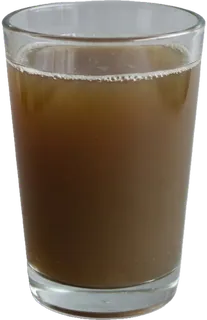
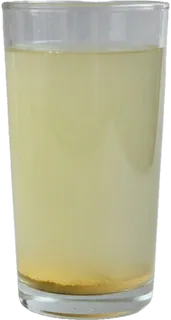
A clear spirit distilled from fermented grain mash flavored with gesho leaves, heated in a sealed clay or metal still over a wood fire until the vapor condenses into a strong, transparent liquor. Made in home stills across the Amhara highlands, it is sold by the glass in small drinking houses called areqe bet.
How to order
እባክዎ አንድ ብርጭቆ አረቄ ይስጡኝ።
The sale runs in Amharic in most towns, though rural areqe bet operators in some highland districts may speak a local dialect alongside it. Ordering is a matter of quantity and strength, as in “አንድ ብርጭቆ” (and birchiqo), one glass; nothing about animal content needs settling, since the spirit carries none at any stage, on fasting days or otherwise.
History
አረቄ (areke) is the Amharic name for Ethiopia's household-distilled spirit, made across the Amhara highlands, from Gondar and Bahir Dar down to Debre Markos, and sold nationwide under the same name or the related term katikala. A mash of barley, maize, sorghum or finger millet is fermented for several days with gesho (Rhamnus prinoides) leaves, which supply wild yeast and a bitter edge. The fermented mash is loaded into a clay or metal pot sealed with a mud-and-cloth lid and set over a wood fire; the rising vapor travels through a coiled pipe cooled in water and condenses into a clear, high-proof liquor. Distilling is often a household trade run by women, who sell it by the glass from the compound or supply the local areqe bet, a small drinking house.
The entire process is plant and mineral: grain, gesho leaves and water go into the mash, and the still itself, whether clay or metal, adds nothing but heat and condensation. No milk, butter, egg, honey or any animal product enters at any stage of fermentation or distillation, and none is added afterward, since areke is drunk neat from a small glass or shot cup. Nothing therefore needs to be settled when buying; the question of animal content does not arise, on fasting days or any other, since the spirit is identical every day of the year.
Where to get it
Areqe bet and home-compound sellers across Amhara towns — Bahir Dar, Gondar, Debre Markos, Dessie — pour it year-round, with no strong season since distilling runs on stored grain; a shot glass costs roughly 15-30 ETB, more for a full glass or bottle.