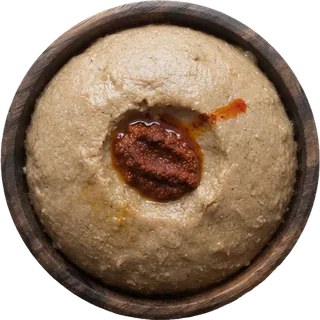
ድፎ ዳቦ (Difo Dabo)
A thick round loaf of wheat flour leavened with yeast and spiced with black cumin and fenugreek, baked for hours in a covered clay pot set low in the embers of a wood fire. Bakeries and households in Gondar make it for Orthodox Tewahedo holidays, cutting it into wedges and serving it with coffee.
How to order
እባክዎ አንድ የጾም ድፎ ዳቦ ይስጡኝ፤ ያለ እንቁላል፣ ያለ ቅቤ።
The sale runs in Amharic, whether at a bakery counter or from a home producer. What needs settling is whether the loaf is “የጾም” (fasting-style), baked without egg, milk, or butter, or whether only the enriched holiday batch is on hand. Because the egg and dairy are kneaded into the dough before baking, asking after a loaf comes out of the pot changes nothing; the question has to be put before a wedge is cut, or settled by finding a baker known to run a fasting batch that day.
History
Difo dabo (ድፎ ዳቦ) takes its name from the difo, the covered clay pot it bakes in, and dabo, the general Amharic word for bread. The loaf is associated with Gondar and the surrounding highlands of Amhara, where households and bakeries mix wheat flour with yeast, water, and ground spices such as black cumin (tikur azmud) and fenugreek (abish), knead a stiff dough, and bury the covered pot in the embers of a wood or charcoal fire for several hours. It is sold whole or by the wedge in market stalls and bakeries, and baked at home for Orthodox Tewahedo holidays such as Fasika, Meskel, and Genna, when it is cut into wedges and passed around with coffee.
The base dough is entirely plant: flour, water, yeast, and spices, with nothing from an animal in it. Animal product enters only in the enriched festival version, where bakers work egg, milk, and butter directly into the raw dough before it goes into the pot, not afterward; the fasting-season version made on Wednesdays and Fridays and through the long Orthodox fasts leaves all of that out and uses oil instead of butter, baked the same way in the same pot. Because the egg and dairy are mixed into the dough itself, nothing can be picked out of a finished loaf; what has to be settled is whether the baker ran a የጾም (fasting-style) batch that day, or whether the only loaf in the pot is the enriched holiday one.
Where to get it
Bakeries and home producers in Gondar and across the Amhara highlands sell it whole or by the wedge, in greatest supply around Fasika, Meskel, and Genna, for roughly 150–300 ETB a loaf.