አትክልት ወጥ (Atkilt Wat)
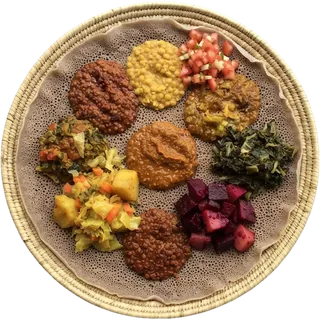
Cabbage, carrot and potato cut into rough pieces and stewed slowly with onion and turmeric until the cabbage softens and the potato takes on the yellow colour. Sold in Addis Ababa at lunch counters and from large pots at communal meals, spooned onto injera alongside other wats.
How to order
እባክዎ የጾም አትክልት ወጥ ይስጡኝ።
Asking for “የጾም” atkilt wat, the fasting version, settles the fat question in one word, since kitchens already keep oil ready for fasting orders on Wednesdays, Fridays and through the longer Orthodox Tewahedo fasts. Outside those days the pot is usually started with niter kibbeh already stirred in with the onion, so the switch has to be asked for before cooking begins, not after the plate arrives. The sale runs in Amharic at Addis Ababa's lunch counters and home kitchens alike.
History
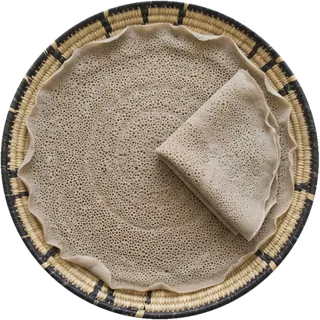
Atkilt wat, from the Amharic atkilt, vegetable, and wat, stew, is cooked across the Ethiopian highlands and sold throughout Addis Ababa, from household kitchens to lunch counters near Mercato and Piazza. Cooks chop white cabbage, carrot and potato into rough pieces, soften onion in fat, stir in turmeric, then add the vegetables with a little water and simmer until the cabbage collapses and the potato takes on the turmeric's yellow. It is served warm, spooned onto injera next to misir wat or gomen, and keeps on the counter through the lunch hours. Some menus list it as atkilt alicha, alicha meaning a stew without berbere, to distinguish it from the red, chile-based wats.
The cabbage, carrot, potato, onion and turmeric are entirely plant. Animal product enters only as the cooking fat: niter kibbeh, butter clarified with spices, is the default outside the fasting calendar, stirred in as the onion begins to soften, before the vegetables go into the pot. On Wednesdays and Fridays and through the Orthodox Tewahedo fasting periods the same stew is made with oil instead, with no change to the vegetables themselves. Because the fat is added early, at the start of cooking rather than at the table, the question has to be settled before the pot goes on, or by choosing a fasting-day kitchen, where oil is already the rule.
Where to get it
Lunch counters and home-style restaurants across Addis Ababa, including those near Piazza, Mercato and Bole, serve it daily alongside other wats for about 40-80 ETB a plate; it appears on every fasting-day menu through Lent and the other Orthodox Tewahedo fasts.