Beach Plum Jelly
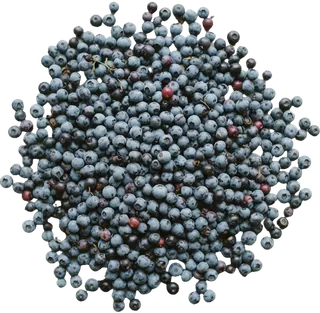
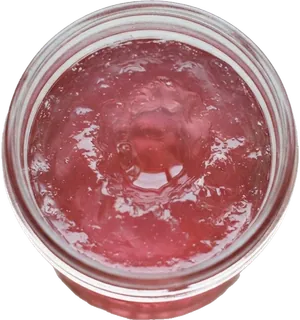
Beach plum jelly is made from the small tart plums that grow wild in the dune grasses along the Massachusetts shore, cooked down with sugar into a deep red-purple spread. The fruit ripens in late summer on Cape Cod, Nantucket and Martha's Vineyard.
How to order
Could I get a jar of beach plum jelly, please?
The jelly itself is almost always just fruit, sugar and pectin, so the question is what it comes with — ask the counter ‘is this served with butter or cream cheese, or can I get it plain?’ if you're buying toast or a bagel alongside it.
History
Beach plums, Prunus maritima, grow low and thorny in the sandy dunes from Cape Cod to Nantucket and Martha's Vineyard. The Wampanoag gathered the fruit along this coast long before English settlement, and colonists in the seventeenth century took up the same harvest, boiling the plums with sugar to preserve them past the short picking season. By the nineteenth century, Cape Cod households picked the fruit in late August and September and set the jelly in jars to sell at roadside stands, church suppers and general stores, a practice small producers along the shore continue today, often timed to town beach plum festivals in early autumn.
The jelly itself carries no animal ingredient: beach plums, sugar, pectin and sometimes a little lemon juice to set it, cooked down in a pot and sealed in jars. Where animal product can enter this cuisine is at the table, not the jar — beach plum jelly is often spread on buttered toast or English muffins, or set out alongside cream cheese on a bagel at breakfast counters and diners. What a diner settles, then, is not the jelly but what it is served on or with.
Where to get it
Look for it at farm stands, general stores and town fairs on Cape Cod and the Islands, especially around the beach plum harvest and local festivals in late August and September.