Sugar on Snow
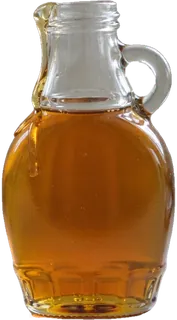
Hot maple syrup, boiled down late in the sugaring season, is drizzled in ribbons across a pan of packed snow, where it cools instantly into a chewy amber taffy that is twirled onto a fork and eaten still warm.
How to order
Could I get an order of sugar on snow, please?
The syrup and snow themselves need no checking, but if a doughnut comes with it ask the counter ‘is the doughnut made with egg or milk?’ to know what else is on the plate.
History
Vermont's maple sugarmakers have poured syrup over snow since at least the 1800s, a way to test and celebrate the last run of sap before the season's sugar off. Sugarhouses across the state's maple-producing counties turned the practice into a community event, timed to Town Meeting Day, the first Tuesday in March, when neighbors gathered after voting to eat sugar on snow together, often with a plain cake doughnut and a sour dill pickle served alongside to cut the sweetness. Church suppers and grange halls picked up the custom, and it is still held every spring wherever sap is running.
The dish itself is just maple sap, concentrated by boiling, poured over frozen water, so the syrup and snow carry no animal ingredient at all; maple trees are plants and snow is weather. Where this cuisine's animal products turn up is in what sits next to the taffy on the plate: the traditional accompanying doughnut is usually made with egg and milk or butter, and some sugarhouses fry it in lard. A diner wanting an entirely plant-based plate settles the doughnut and any accompaniment before eating, since the syrup and snow need no adjustment at all.
Where to get it
Vermont sugarhouses and maple farms serve it during sugaring season, roughly late February through April, with the biggest gatherings around Town Meeting Day in early March and at spring maple festivals.