Maple Syrup
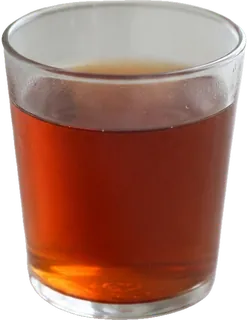
Sugar maple sap, collected by the gallon and boiled down forty to one, turns into syrup over a few weeks each spring in Vermont sugarhouses. The ratio is unforgiving: forty gallons of clear sap for one gallon of syrup, finished when it holds at 219 degrees.
How to order
Could I get a bottle of the pure maple syrup, please?
At a sugarhouse counter or farm stand it helps to ask directly, ‘was any butter used to control the boil on this batch?’, since the syrup itself never contains it but the defoamer sometimes does.
History
Vermont sugarhouses run their arches each year during sugaring season, the stretch of late winter when nights drop below freezing and days climb above it, pushing sap up through the sugar maples. Families with maple stands tap the trees in late February or March, running lines or carrying buckets to a sugarhouse where a wood-fired or oil-fired arch holds a long flat pan of sap at a steady boil. Montpelier and the hill towns around it have held this calendar since the 1800s, when settlers adapted a method of reducing maple sap already practiced by the Abenaki and other Northeastern nations, who tapped trees with cuts and concentrated the sap by dropping in heated stones before iron pans were available.
The sap itself is plant through and through: water and dissolved sugar drawn from a maple trunk, with nothing added as it boils down. Where this cuisine's animal entry turns up is at the pan, not the tree: some sugarmakers drop in a small pat of butter when the boiling sap foams and threatens to run over the lip, since the fat knocks the foam down. A diner buying syrup to pour, rather than syrup made in someone's own sugarhouse, has to settle whether that batch was defoamed with butter or with a plant oil or commercial defoamer instead.
Where to get it
Sugarhouses and farm stands around Montpelier and the Vermont hill towns sell it directly during sugaring season in March, and year-round from general stores and co-ops afterward.