Birch Syrup
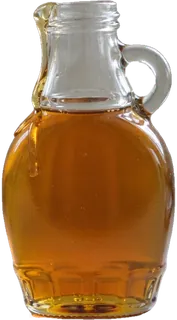
Birch sap, tapped from paper birches around Juneau each spring, is boiled down at roughly a hundred to one into a syrup thinner and sharper than maple, carrying a caramel edge against a mineral, faintly bitter finish.
How to order
Could I get a bottle of the birch syrup, please?
Ask what else went into the batch, since the honest answer from a Juneau producer is usually ‘just sap, nothing added’. Trouble only comes in if the syrup has been blended into a glaze or sauce that isn't plain.
History
Paper birch trees around Juneau run with sap for two to three weeks each April, when nights still drop below freezing and days climb above it, before the leaves open. Tlingit people in Southeast Alaska drink the sap fresh for its mineral sweetness, and were doing so long before syrup-making arrived as a commercial trade. Boiling it down into syrup began in Alaska in the late 1970s and 1980s, when homesteaders in the Interior started reducing sap outdoors over long hours, a method small producers around Juneau still follow, since birch sap holds far less sugar than maple and needs roughly twice the ratio to concentrate.
The sap itself carries nothing animal: tapped straight from the tree and reduced with no additions, so birch syrup is plant-based through its entire traditional production, exactly as the record states. An animal product still turns up once the syrup leaves the boil and meets other food, glazing salmon or pork, basting roasted meat, or sitting beside butter-soaked pancakes at a breakfast counter. Buying a bottle settles nothing about what it is served over, so the question worth asking is about the dish the syrup is poured onto, not the syrup itself.
Where to get it
Sold by small producers and at farmers markets around Juneau and Southeast Alaska through spring and summer, and at the Alaska State Fair in Palmer each August.