Cranberry Sauce
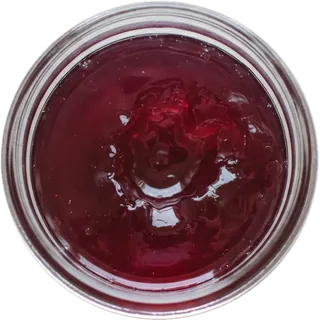
Whole cranberries from the bogs around Wareham, Massachusetts are simmered with sugar and water until their skins split and the juice thickens into a sauce that sets firm as it cools, sharp and sweet alongside the Thanksgiving table.
How to order
Could I get some cranberry sauce, please?
Ask the stand or server ‘is this just cranberries and sugar?’ to rule out a pat of butter stirred in for shine or a gelatin-set version.
History
Cranberries grow wild in the acidic bogs of southeastern Massachusetts, and the Wampanoag people of the region gathered and ate them long before European settlement, using the berries for food, medicine and dye. Commercial bog cultivation began nearby in East Dennis in 1816, and by the later nineteenth century growers around Wareham, in Plymouth County, were flooding and harvesting bogs on a large scale. The cooked sauce, cranberries simmered with sugar and water until the skins split and the liquid sets on cooling, became a fixture of the autumn harvest and the Thanksgiving table across New England kitchens, made today by home cooks and small canneries in the same cranberry country.
The recipe is cranberries, sugar and water: no animal ingredient is stirred into the pot, and the fruit itself provides the pectin that sets the sauce as it cools. In American cooking the entry point for animal products in a Thanksgiving spread sits elsewhere, in the gravy, the stuffing and the turkey itself, not in the sauce. A diner at a shared table still confirms that a host has not stirred in a pat of butter to cut the foam, a folk habit in some kitchens, or swapped in a gelatin-set relish rather than the plain cooked version.
Where to get it
Farm stands and cranberry festivals around Wareham and the Cape Cod bogs sell it fresh in autumn, and it appears on grocery shelves and at Thanksgiving tables across New England from October through December.