Blatjang
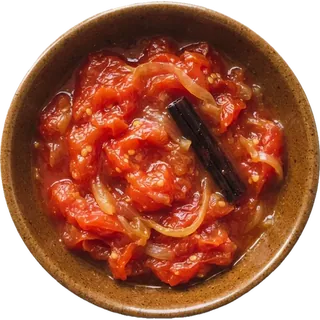
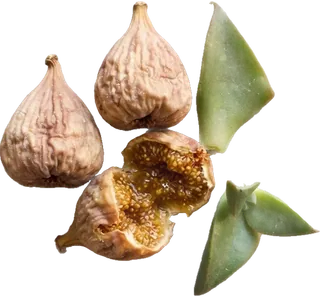
Dried apricots are simmered down with onion, vinegar, sugar, chilli and garlic into a thick, sweet-sour chutney, jarred for keeping. Western Cape households spoon it alongside bobotie, cold meats and curries, and keep a jar going for the week's leftovers.
How to order
Mag ek asseblief 'n bottel blatjang kry?
Nothing needs clearing with the seller, since blatjang is fruit, vinegar and spice with no fish, meat or dairy entering at any stage. Asking “Mag ek asseblief 'n bottel blatjang kry?” is enough on its own, though the counter at most Cape Town delis and farm stalls runs in English anyway.
History
Blatjang is Afrikaans, its name taken from the Malay belacan, a fermented shrimp paste, carried to the Cape by people the Dutch East India Company enslaved and shipped from Batavia, Ceylon and the Indian subcontinent from the 1650s onward. At the Cape the word stayed, but what filled it changed: cooks in the Bo-Kaap and the apricot-farming districts of Ceres and Robertson began preserving the summer harvest as a chutney, cooked down once the fruit was dried and jarred to last the year, served alongside the bredies and bobotie of Cape Muslim and Afrikaans kitchens alike.
Everything in the pot is plant: dried apricots, onion, vinegar, sugar, chilli, garlic, sometimes a hand of ginger or a few raisins stirred in. The shrimp paste of the Malay original never crossed over to the Cape version; recipes handed down at the Cape call for fruit and spice alone, with no fish, meat or dairy at any stage of cooking or at the table. What varies between cooks is the ratio of sugar to vinegar, not any animal content, so a jar bought at a farm stall or a church fete needs no further checking.
Where to get it
Farm stalls and padstals along the Ceres and Robertson fruit routes in the Western Cape, delis and spice shops in the Bo-Kaap, and church or school fetes after the apricot harvest in January and February, typically R35 to R60 for a 375ml jar.