Vegetable Breyani
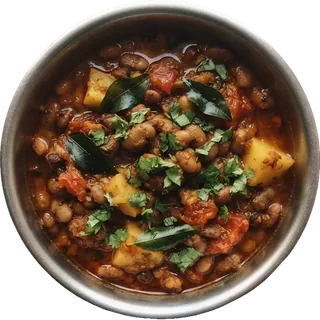
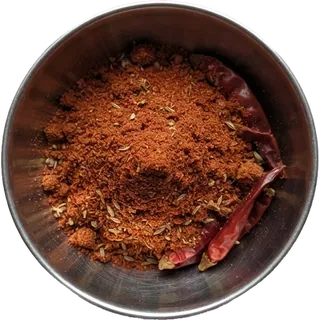
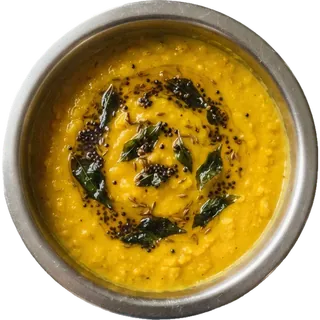
Basmati rice, dhal and vegetables are layered with browned onion and a turmeric-and-saffron masala, then the pot is sealed with dough or foil and steamed until the base catches and crisps. It is cooked in huge pots for Durban weddings and mosque Eid gatherings, and sold by the plate from Cape Town's Bo-Kaap takeaways.
How to order
Ngicela ibhriyani yemifino, ngiyabonga.
Ask whether ghee or egg went into the pot, since the standard version often carries one or both: 'Ngabe akukho ughee namaqanda kulokhu?' — 'Is there no ghee and eggs in this?' Most Durban and Cape Town breyani counters take the order just as readily in English as in isiZulu or Afrikaans.
History
Breyani — ibhriyani in isiZulu, breyani among Cape Muslim cooks — descends from the rice dishes of indentured Indian labourers shipped to Natal's sugar estates from 1860, and from the enslaved and exiled cooks the Dutch East India Company brought to the Cape from Java and the Indian subcontinent in the seventeenth and eighteenth centuries. Durban cooks build it in enormous pots for wedding halls; Cape Town's Bo-Kaap and Wynberg cook it for Jumu'ah lunches and Eid. Onion is browned, rice parboiled, dhal and vegetables layered in with a turmeric-and-chilli masala, and the pot is sealed and steamed over low heat.
Rice, dhal and the vegetables — potato, carrot, green bean, sometimes soya chunks — are plant on their own. What turns most pots non-vegetarian is ghee used to fry the onion and baste the rice, and yoghurt folded into the masala to loosen it, both added during cooking rather than at the table; some Durban cooks also tuck a boiled egg into each portion before serving. A vegetable breyani made with oil instead of ghee and without the yoghurt or egg is standard enough on wedding and mosque menus that it needs only to be asked for, not improvised.
Where to get it
Indian takeaways and caterers across Durban sell breyani by the kilogram for weddings and Friday gatherings, with the vegetable pot often needing a day's notice; in Cape Town's Bo-Kaap and Wynberg, mosque halls and home cooks sell it by the plate after Jumu'ah, roughly R40 to R60.