Dhal
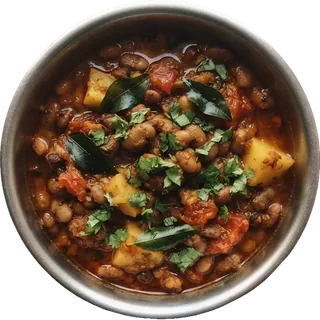
Split red lentils simmered until they collapse into a thick turmeric-yellow pot, finished with mustard seed, cumin and curry leaf crackled in hot oil or ghee and poured in; the everyday dish on Durban Indian tables, spooned over rice or scooped up with roti at lunch and supper.
How to order
Ngicela i-dhali ngaphandle kwebhotela, ngiyabonga.
Most Durban dhal is tempered with ghee, so the plant-based order has to specify oil instead by asking “Ngaphandle kwebhotela” (without butter); day-to-day service at Durban's Indian eateries and bunny chow counters runs mostly in English, so this is more often said in English than isiZulu, though understood either way.
History
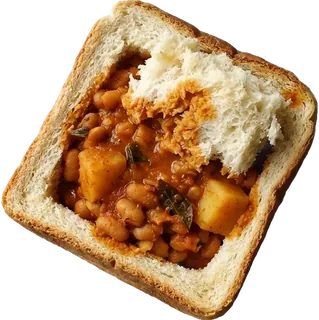
The name Dhal is South African English, carried over from the Hindi and Bhojpuri word dāl for a split pulse. It arrived with indentured Indian labourers, shipped to Natal from 1860 under British colonial contract to work the sugar cane fields around Durban, Tongaat and the North Coast. The lentils they cooked at the end of a day's cane cutting became the daily pot of the community that stayed on after indenture ended, spooned over rice or scooped up with roti and bunny chow in homes across Durban's Indian suburbs, from Chatsworth to Phoenix, lunch and supper alike.
Split lentils, turmeric, onion, garlic, ginger, chilli and the tempering spices are all plant; the only animal product is the ghee traditionally used to fry the mustard seed, cumin and curry leaf before they're poured, hissing, into the pot. That tempering, called tadka, is oil in plenty of Durban kitchens already, so the swap is not unusual — it has to be settled at the stove, since the ghee or oil goes in during cooking, not added afterward at the table.
Where to get it
Durban's Indian-run cafes, bunny chow takeaways and home kitchens across Chatsworth, Grey Street and Phoenix serve dhal as a side to any curry meal, or on its own with rice for about R25 to R40 a plate. It is an all-day dish, as common at lunchtime counters as on supper tables.