Waterblommetjies
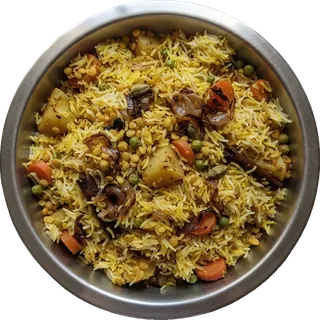
The flower buds of Cape pondweed, picked from winter dams and vleis in the Boland, simmered with sorrel and potato into a sour, earthy stew; waterblommetjiebredie is cooked across the Western Cape through the cold months, from farm kitchens to city restaurants.
How to order
Waterblommetjiebredie sonder vleis, asseblief.
Ask for the pot by name and add “Waterblommetjiebredie sonder vleis, asseblief” to make sure no lamb or mutton went in, since the meat version is the default. Along the farm stalls of the Boland the counter usually runs in Afrikaans, though in Cape Town restaurants English is more common.
History
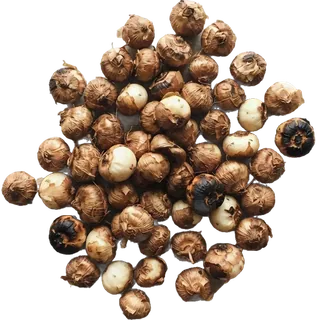
Waterblommetjies is Afrikaans for 'little water flowers,' the name for the buds of Cape pondweed, a plant native only to the Western Cape. It flowers through the wet winter months, June to August, in vleis and farm dams across the Boland and the Overberg, and is picked by hand, wading into the cold water before the day warms. Farm stalls around Paarl and Wellington sell it by the bag in season. The bredie built on it belongs to Cape Dutch and Cape Muslim kitchens alike, a tradition shaped in part by enslaved people the Dutch East India Company brought to the Cape from Southeast Asia and Madagascar.
The buds themselves are plant only: waterblommetjies, potato and suring (sorrel), the sour leaf that gives the pot its edge, go in regardless of what else is added. What turns this into waterblommetjiebredie as it is usually cooked is lamb or mutton, browned first and simmered with the buds until the meat falls from the bone, its fat and stock carrying into the vegetables from that point on. A meatless pot is entirely workable — the buds, potato and sorrel need nothing else to make a sour, earthy stew — but it has to be asked for, since the lamb version is what most cooks make by default.
Where to get it
Farm stalls and small eateries in the Boland — around Paarl, Wellington and Franschhoek — sell waterblommetjies by the bag through the winter picking season, June to August; a plate of the bredie at a country kitchen runs about R90 to R120.