Bocaiuva
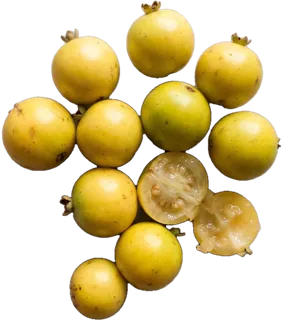
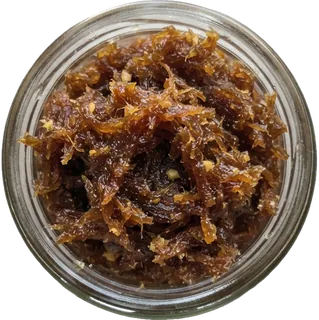
Bocaiuva is the fruit of the macaúba palm, Acrocomia aculeata, gathered from the ground in the Pantanal lowlands around Corumbá. The fibrous orange flesh is scraped off the hard seed with the teeth, and the shell is cracked with a knife or stone to free the oily kernel inside. Vendors sell it by the heap or the kilo at street corners and in the municipal market.
How to order
Me vê um quilo de bocaiuva aí, por favor.
The fruit is sold whole and raw, so there is nothing about animal product to settle, and the exchange runs entirely in Portuguese. The main choice is quantity and form — by the heap, “um montinho”, or by weight, “um quilo” — since both are common at Corumbá stalls. Salt is sometimes offered on the side; saying “sem sal” skips it if it is not wanted.
History
Bocaiuva, also spelled bocaiúva, is the Mato Grosso do Sul name, from Tupi, for the fruit of the macaúba palm, Acrocomia aculeata, gathered across the Pantanal lowlands around Corumbá, near the Bolivian border. The palm grows wild in pasture and forest margins; harvesters collect the fruit once it falls ripe from the crown, mainly between September and December. The fibrous orange pulp is loosened from the hard seed, which is then split with a knife or stone to free the small oily almond inside. Both pulp and almond are sold the same day, heaped on trays and sacks at street corners, bus stations and the municipal market in Corumbá.
The fruit is entirely plant: pulp, seed and kernel, with nothing cooked and nothing added. No animal product enters at any point, since bocaiuva is sold raw and whole, exactly as it falls from the palm. The only variation worth knowing is a separate product, licor de bocaiuva, a cachaça-based liqueur made from the same fruit and bottled apart from the fresh heaps sold on the street; it is still plant-based but is a different purchase. Buying the fruit itself therefore needs nothing settled with the vendor, since there is no cooking step and no animal ingredient at any stage.
Where to get it
Street vendors, bus station stalls and the municipal market in Corumbá, Mato Grosso do Sul, on the edge of the Pantanal, as well as roadside stops along BR-262 toward the Bolivian border. The fruit is in season from roughly September to December and sells by the heap or kilo for about R$5 to R$10.