Guavira
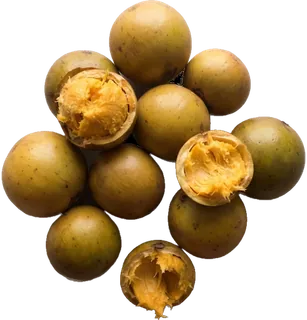
Guavira is a small yellow fruit of the cerrado scrubland in Mato Grosso do Sul, with a resinous, slightly sour flesh gathered from low shrubs in the weeks before the summer rains. It is eaten raw, straight from the hand, or blended into a cold juice sold at markets and roadside stands in and around Campo Grande.
How to order
Uma guavira batida só com água e açúcar, sem leite condensado, por favor.
The transaction runs in Portuguese. Asking for the juice “só com água”, with just water, settles it before the blender starts, since the default at many stands is the creamier version made with condensed milk. Buying the fruit itself, loose by the cup or bag, needs nothing settled, as nothing is added to it.
History
Guavira is the Guarani name for the fruit of Campomanesia adamantium, a low shrub native to the cerrado of Mato Grosso do Sul; in Portuguese it is also called guabiroba-do-campo in some regions, though guavira is the name used around Campo Grande. Guarani Kaiowá and Guarani Mbyá communities and rural smallholders gather it from scrubland south and west of the capital, picking the fruit by hand once it turns yellow. The season is short, from October into November, closing when the rains begin. Fruit is sold loose by the liter or the sack at the Feira Central de Campo Grande and at roadside stands along BR-163 and BR-060, eaten fresh or taken home to be juiced, frozen, or turned into sorvete and licor.
The fruit itself is wholly plant: skin, pulp and seed, picked and eaten with nothing added. No animal product touches it in this raw state, and a bag of fresh guavira needs nothing settled before buying. The question opens only where a vendor turns the fruit into a drink: some blend the pulp with water and sugar, others default to a creamier version made with condensed milk or cow's milk, closer to a vitamina than a juice. Buying it that way means specifying water rather than milk before the blender starts, since once the condensed milk is in, it is in.
Where to get it
Feira Central de Campo Grande, and roadside stands on the highways out of the city toward Dourados and Ponta Porã, sell it fresh from October into November, a cup of fruit or a cup of juice running about R$5 to R$10.