Cachaça de Paraty
Cane spirit distilled in copper alambiques at small engenhos scattered through the hills around Paraty, on the Rio de Janeiro coast, then aged for at least a year in casks cut from native woods such as jequitibá or bálsamo. It is bottled where it is made and sold at the stills themselves, in shops in Paraty's historic center, and at bars by the dose.
How to order
Me vê uma dose de cachaça de Paraty, bem envelhecida e pura, por favor.
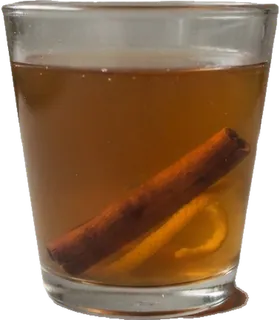
The sale runs in Portuguese. Asking for it “pura” settles that the pour is straight with nothing added; the one thing to confirm, if the order is for a mixed drink rather than a dose of the spirit itself, is whether the bar sweetens with “mel” (honey) or with sugar, since quentão and some caipirinha variants use honey. For a bottle, naming the cask — “envelhecida em jequitibá,” for instance — settles which wood it aged in.
History
Cachaça de Paraty is Brazilian Portuguese for the cane spirit distilled around Paraty, a colonial port on the Rio de Janeiro coast below the Serra da Bocaina, a region granted its own geographical indication in 2007, the first in Brazil for any product. Growers cut sugarcane by hand in the dry months between April and November and press it at small engenhos (mills) in the hills behind town, where the juice ferments, is run through copper alambiques (stills), and ages for a minimum of a year in casks of native wood such as jequitibá, bálsamo or garapeira. It is sold directly at the engenhos, in shops along Rua do Comércio in Paraty's historic center, and at weekend markets; older labels and road signs still spell the town Parati.
Everything in the bottle is plant and mineral: cane juice, the wild or cultivated yeast that ferments it, and the wood that colors and flavors it during aging. No animal product enters at any stage of growing, pressing, fermenting, distilling or aging, and the geographical indication's rules do not call for any. The one place an animal product can turn up is not in the cachaça itself but in how it is served afterward — bars sometimes stir honey into hot mixed drinks such as quentão, made with cachaça, ginger and cloves, or into a caipirinha variant sweetened that way instead of with sugar. What to settle, then, is whether the order is for the spirit pura (straight) or for a mixed drink, and if mixed, whether honey goes in.
Where to get it
Engenhos in the hills around Paraty, shops on Rua do Comércio in the historic center, and bars throughout town sell it year-round, with cane cut between April and November; a dose runs about R$8–15, a bottle of aged cachaça roughly R$40–150 depending on time in wood.