Mingau de Puba
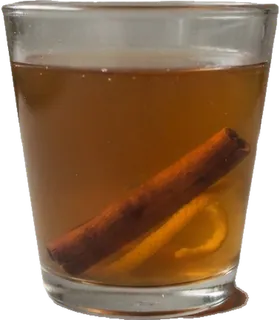
Cassava left to soak until it ferments and softens into puba, then pressed free of liquid, sieved and cooked with water and sugar into a sour, creamy porridge. Made in quilombola kitchens around Santa Leopoldina, in the hills behind Vitória, it is eaten warm at breakfast or as an afternoon snack, sold by the cup at local markets and family stalls.
How to order
Me vê um mingau de puba sem leite, por favor.
The sale runs in Portuguese. Asking “sem leite” (without milk) only helps if the seller still has a batch made before the cow's milk went in, since it is stirred in while the porridge is still over the fire, not added at the counter. Asking directly, “tem feito só com água e açúcar?” (is there one made with just water and sugar?), is the more reliable way to find a plain batch, or to learn that the house only makes it with coconut milk, which contains no dairy.
History
Mingau de puba takes its name from two Tupi-derived Portuguese words: mingau, a cooked porridge, and puba, cassava roots left submerged in water until they soften and turn sour. In Santa Leopoldina, in the hill country behind Vitória in Espírito Santo, quilombola cooks keep cassava roots underwater in covered vats for several days until fermentation breaks down the fibre, then lift them, press out the liquid by hand or cloth, and pass the pulp through a sieve. The sieved puba is cooked with water and sugar over a low fire until it thickens into a sour, dense porridge, sold warm by the cup at community kitchens and roadside stalls, mostly in the cooler months.
The porridge itself is plant through and through: cassava, water and sugar, with no animal product needed at any stage of fermenting, pressing or cooking. Some households stir in cow's milk near the end of cooking to round out the sourness; others, wanting the same effect without dairy, use coconut milk instead. Because this happens at the stove before the porridge is ladled out, a pot already finished with cow's milk cannot be made plain afterward, so the question to settle is which milk, if either, went in, and whether a batch without it exists.
Where to get it
Family kitchens and small stalls in Santa Leopoldina and nearby communities in the hills behind Vitória, Espírito Santo, sell it most often in the cooler months of autumn and winter, for about R$5 to R$8 a cup.