Goiabada Cascão
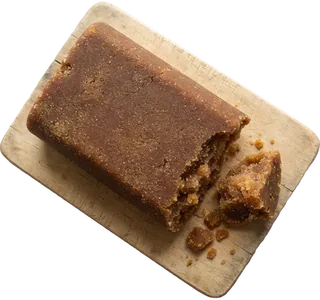
Guava pulp cooked slowly with sugar in copper pans, the fruit and seeds left coarse rather than strained smooth, until the mass sets firm and pulls from the pan's sides. It is poured into wooden boxes, cooled, and cut into slabs or cubes. Sold by weight in doce shops and markets across Minas Gerais and the São Paulo interior.
How to order
Me dá uma fatia de goiabada cascão, por favor?
The transaction runs in Portuguese, and the paste itself needs nothing settled, since it is guava and sugar from first boil to last cut. The one clarification worth making is at stalls that sell the Romeu e Julieta pairing, where asking for “só a goiabada, sem queijo” gets the sweet without the slice of cheese set beside it.
History
Goiabada takes its name from goiaba, Portuguese for guava, itself from Tupi; the suffix -ada marks a food made from the named ingredient, as in feijoada. Cascão, Portuguese for a thick crust or lump, separates this coarse version from goiabada cremosa, the smooth paste pressed into blocks for pairing with cheese. Doceiras in Minas Gerais towns such as São João del-Rei, Tiradentes and Ouro Preto, and in São Paulo interior towns such as Itu, cook guava pulp and sugar in copper pans over slow heat, stirring until it pulls from the pan's sides, then pour it into wooden boxes to cool and cut it into slabs. It is sold by weight in doce shops, municipal markets and roadside stands.
Everything in the pan is plant: guava, sugar and a splash of water or lemon juice to help it set. No animal product enters at any stage of cooking, and nothing is added afterward either — goiabada cascão is eaten on its own, cut into cubes, or packed into school lunches and country-store jars. The one place dairy enters the picture is not inside this sweet but beside it: queijo minas, a fresh cow's-milk cheese, is often sliced and served alongside goiabada as the pairing called Romeu e Julieta. The cheese is a separate purchase, not an ingredient in the paste, so buying goiabada cascão alone settles nothing about milk at all.
Where to get it
Doce shops, municipal markets and roadside stands in Minas Gerais towns such as São João del-Rei, Tiradentes and Ouro Preto, and in São Paulo interior towns such as Itu, sell it year-round, cut to order, for roughly R$20 to R$35 per kilo.