Mate Gelado
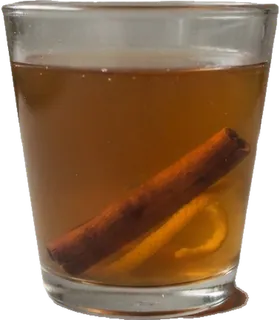
Toasted yerba mate leaf, brewed strong and sweetened with sugar, then chilled and carried along Rio de Janeiro's beaches in tall metal tanks strapped to vendors' backs. Sold by the cup from Copacabana to Barra da Tijuca, poured over ice with a wedge of lemon on request.
How to order
Oi, me vê um mate gelado, bem geladinho, com limão, por favor.
Nothing needs settling on the animal-product question, since mate gelado is leaf, water and sugar from the first pour, with lemon the only addition and that a plant one. The real choices at the tank are how sweet and how cold: asking for it “bem geladinho” gets it extra cold, and “com limão” gets the wedge squeezed in. The whole exchange, shouted across the sand or settled at the water's edge, runs in Portuguese.
History
Mate gelado is Portuguese for iced mate: the toasted leaf of Ilex paraguariensis is called ka'a in Guarani, the language the word mate entered Portuguese through, by way of early contact between Guarani speakers and colonial settlers. The drink belongs to Rio de Janeiro's beaches, from Copacabana and Ipanema down to Barra da Tijuca. Itinerant vendors, some working the same stretch of sand for decades, brew erva-mate in large kettles before dawn, strain it, dissolve sugar into the hot liquid, then cool it and carry it chilled in tall metal tanks strapped across their backs, pouring it to order into cups as they walk the sand calling out 'mate, mate gelado' through the morning and afternoon.
Everything in the tank is plant and water: toasted yerba mate leaf steeped in hot water, strained, and sugar dissolved into it before the whole batch is chilled and loaded into the tanks. No animal product enters at any stage of brewing. Lemon, squeezed into the cup if asked for, is the one variable, and it is plant too. Nothing has to be settled at the sale on the animal-product question, since the batch leaves the kettle already finished and already free of anything but leaf, water, sugar and, on request, lemon; the only real choices left are how much sugar and whether lemon goes in.
Where to get it
Along Rio de Janeiro's beaches — Copacabana, Ipanema, Leblon, Barra da Tijuca — from vendors walking the sand with tanks on their backs, sold year-round but busiest from December through March, for roughly R$5 to R$8 a cup.