Chachacoma
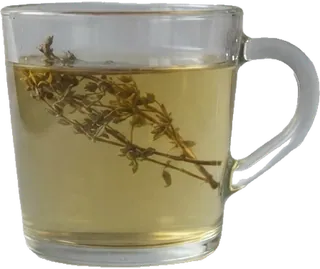
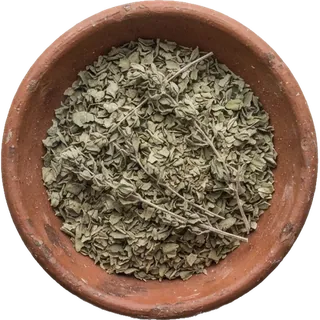
A shrub of the Chilean altiplano, its leaves and stems dried and steeped in hot water to make a bitter, camphorous tea. It is kept in every highland household in Arica y Parinacota and Antofagasta regions and offered to anyone arriving from the coast, against soroche, the altitude sickness that sets in above 3,000 metres.
How to order
Una agüita de chachacoma, por favor, sin azúcar.
Stalls in Arica's Mercado Colón and kiosks in Putre run in both Aymara and Chilean Spanish, so asking in Spanish works everywhere: “Una agüita de chachacoma, por favor, sin azúcar.” The only thing to check is whether sugar has already gone into the pot, since some vendors sweeten it before pouring.
History
Chachacoma takes its name from Aymara, the language of the herders and farmers who live in the altiplano villages of Arica y Parinacota and the high plains above Antofagasta, including Putre and Isluga. The shrub grows wild above 3,000 metres; its woody stems and leaves are cut, dried in the sun, and crumbled into hot water. It is kept in every household along the routes between the coast and the highlands, offered to anyone arriving from sea level, and carried by miners and drivers crossing the passes; Chile's annexation of this Aymara territory after the War of the Pacific redrew the border but not the plant's use.
The tea is plant from stem to cup: dried chachacoma leaves steeped in boiled water, sometimes with a spoon of sugar or a sprig of rica rica or muña added for taste. No animal product enters at any stage of brewing or serving. The only thing to settle, if buying it ready-made at a market stall or bus terminal, is whether sugar has already been stirred in, since some vendors sweeten it before pouring.
Where to get it
Herb stalls in the Mercado Colón in Arica, pharmacies and kiosks in Putre, and roadside stops along the route to the Bolivian border, sold year-round as loose dried leaves or brewed by the cup; a cup runs CLP 500-1,000, a bag of dried leaves CLP 2,000-3,000.