Rica-Rica
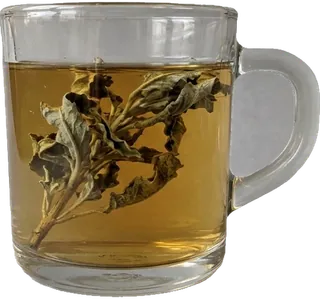
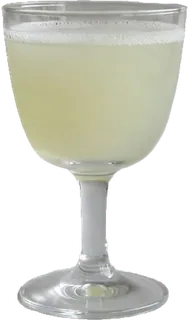
A resinous shrub gathered from the slopes above San Pedro de Atacama, its leaves dried and steeped in hot water as a digestive tea. Lickanantay families have used it as a remedy for generations; bartenders in San Pedro now drop it into pisco sours.
How to order
Una agüita de rica-rica, por favor.
The plain tea has nothing to clear, since it's only leaves and hot water, but if you order it as a cocktail, ask the bartender to leave out the egg white with “¿Me la prepara sin clara de huevo, por favor?”; the bars and market stalls in San Pedro de Atacama run the counter in Spanish.
History
Rica-rica (Acantholippia deserticola) is a low resinous shrub that grows wild on the stony slopes above San Pedro de Atacama, in the altiplano of the Antofagasta region. Lickanantay families have gathered its leaves for generations, drying them in the desert air and steeping them as a remedy for altitude sickness and poor digestion, long before the region became Chilean territory through the War of the Pacific in 1879. The tea is still made at home and sold loose in the town's market stalls, and in the last decade San Pedro's bars have started crushing the same leaves into pisco sours.
The drink is a single ingredient: dried rica-rica leaves and hot water, nothing more. No animal product enters at any stage, whether it's poured as plain tea or folded into a pisco sour, where the rest of the glass is pisco, lime juice, sugar and egg white. The egg white is standard in a Chilean pisco sour and is added at the bar, not in the tea itself, so a customer who wants the rica-rica without it need only ask for the tea on its own, or for a sour made without egg.
Where to get it
Herbal stalls in San Pedro de Atacama's municipal market, home kitchens across the oasis, and bars along Caracoles street, open year-round; a cup of plain tea runs CLP 1,000-1,500, a rica-rica pisco sour CLP 4,000-6,000.