Orégano de Putre
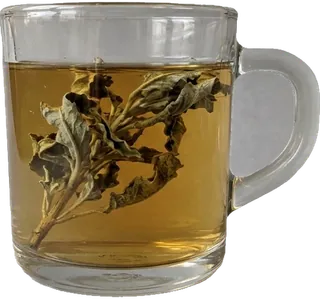
Leaves are hand-stripped from oregano bushes grown on Aymara stone terraces above Arica, then spread on reed mats to dry in the thin precordillera sun until brittle. Farmers in Putre, Socoroma and Belén sell it dried, the base seasoning for stews and charqui across northern Chile.
How to order
¿Me da un paquete de orégano de Putre, por favor?
There is nothing to clear with a seller, since the product is a single dried herb with no animal content; the only thing worth specifying is freshness, asking directly: “¿Me da un paquete de orégano de Putre, por favor?” Market stalls in Putre and shops in Arica run the counter in Spanish, though Aymara is the language spoken at home in the growing villages.
History
The title is Chilean Spanish; oregano is a Mediterranean herb brought north by Spanish colonization, with no older Aymara name recorded. It is grown on stone terraces built generations ago around Putre, Socoroma and Belén, in the precordillera above Arica, between 3,000 and 3,700 metres. Aymara families plant it on andenes irrigated from mountain streams, alongside maize and quinoa, cut it by hand after the summer rains, and dry it on cloth or reed mats in the thin, intense altiplano sun. Bundled and sold at the Putre market or carried down to Arica, it now holds a Denominación de Origen tied to that altitude and soil.
It is a single dried plant: oregano leaves, nothing added, nothing taken out. No animal product enters at any point, in the field, in the drying or at the table, so there is nothing to ask a vendor to leave out. The only practical question for a buyer is freshness and origin — whether the bundle was cut this season in the precordillera or is older stock relabeled at a lowland market — not content.
Where to get it
Feria stalls on Putre's plaza, grocery stores and the central market in Arica, and roadside stands along the road up from the coast, sold year-round in small bundles or ground in bags, a 50-gram packet running CLP 2,000-4,000.