Chuño
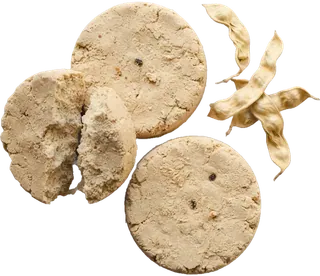
Potatoes are spread out on the altiplano to freeze overnight and thaw in the sun by day, then trodden underfoot until the water presses out and the flesh dries hard as stone. Aymara families in Chile's far north have kept it this way for thousands of years, stored against the lean months.
How to order
¿Me trae el chuño sin charqui, por favor?
Chuño bought loose and dry at a market or feria is already plant-only — potato, frost and sun, nothing else — so there is nothing to ask about it on its own. The only place meat enters is in a cooked dish such as chairo, where llama charqui or lamb often goes into the broth, so at a comedor ask “¿Me trae el chuño sin charqui, por favor?”; the counter in Arica y Parinacota and Tarapacá runs in Spanish, with Aymara spoken more at home and in community festivals.
History
Chuño is Aymara; the word for the same food is ch'uñu in Quechua, spoken across the Andes. In Chile it is made on the altiplano of Arica y Parinacota and Tarapacá, in villages such as Colchane, Isluga and Putre. Bitter potato varieties, harvested after the summer rains, are spread on the ground through the freezing nights of the Andean winter, thawed each day, and trodden by foot to press out the water and loosen the skins, a cycle repeated for days until the potato turns hard, light and black. Chile took this Aymara territory from Peru and Bolivia in the War of the Pacific, cutting altiplano communities across a border.
Chuño itself is nothing but potato, frost and sun: no animal product enters the drying at all. It is eaten on its own, boiled briefly to soften, or ground into flour, and it is also stirred into soups and stews such as chairo, which in many kitchens include llama charqui, alpaca or lamb for broth. That meat goes into the pot, not into the chuño, so a plain piece bought at a market or feria is already plant-based; what needs settling is whether it is served loose or already simmered into a stew that has meat in the stock.
Where to get it
Ferias and Sunday markets in the altiplano villages of Arica y Parinacota and Tarapacá — Colchane, Isluga, Putre — and in the municipal market of Arica itself, sold dry by the kilo for around CLP 3,000-5,000, with fresh batches following the June freeze and the Aymara New Year, Machaq Mara, on 21 June.