Chakalaka
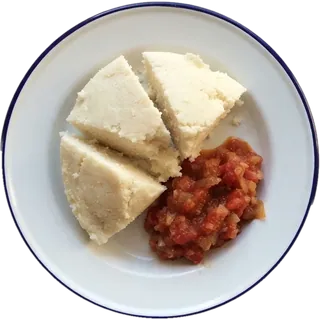
A relish of grated carrot, onion, green pepper and chilli cooked down with curry powder and, in most pots, tinned baked beans, ladled alongside pap, bread or grilled meat at the weekend braai, eaten from Soweto to the townships of Durban.
How to order
Ngicela i-chakalaka ngaphandle kwebhotela, ngiyabonga.
Ask the cook whether butter went into the onions, since that is the one point animal product enters: “Ngicela i-chakalaka ngaphandle kwebhotela, ngiyabonga.” Many braai stalls and takeaway counters in Gauteng and KwaZulu-Natal run the order in English regardless, so the phrase is more a courtesy than a necessity.
History
Chakalaka takes its name from Johannesburg township slang, the tsotsitaal spoken on the Witwatersrand mines where men recruited from across southern Africa under the migrant labour system lived in single-sex hostels, cooked on paraffin stoves, and turned tinned tomato, onion and whatever vegetables were cheap into a quick relish to eat with pap or bread between shifts underground. From the Gauteng mine compounds it spread into Soweto's kitchens and out to KwaZulu-Natal, where it now sits on every braai table alongside grilled meat, rice and samp.
Carrot, onion, pepper, chilli, tomato and curry powder are all plant, and most tins of baked beans used in the pot are too, though some brands carry non-vegan additives worth checking on the label. The one real entry point for animal product is a knob of butter some cooks stir in at the start to fry the onion, a habit from older mine-hostel recipes that has stuck in some households and restaurants. Nothing about the dish requires it, and asking a cook to leave it out changes nothing else in the method.
Where to get it
Spaza shops, shisanyama stalls and braai stands across Soweto, Johannesburg's East Rand and the townships around Durban sell it by the tub or scoop it straight from the pot onto a plate of pap, for R10-20 a portion, sold daily and heaviest on weekends when the braai fires are going.