Chicha de Uva
Grape must crushed at harvest and left to ferment for only a few days, staying cloudy, fizzy and still sweet rather than turning into wine. It is drawn from the barrel in the vineyards of Maule and O'Higgins each autumn, then poured by the glass at fondas during the September Fiestas Patrias.
How to order
¿Me pasa una chichita de uva bien heladita, porfa?
There's nothing to clear with the seller: chicha de uva is nothing but grape must left to ferment a few days, so the phrase above is only useful for getting a cold glass poured straight from the barrel: “¿Me pasa una chichita de uva bien heladita, porfa?”
History
Chicha de uva takes its title from Chilean Spanish, chicha being the word used across much of Latin America for fermented drinks made from fruit or grain. Spanish colonizers brought vinifera vines into the Maule and O'Higgins valleys in the sixteenth century, and the drink grew up on the haciendas that followed, made each autumn by the inquilino families who worked the vineyards. Today it is still pressed at harvest, in March and April, in towns like San Fernando, Curicó and Cauquenes, drawn from barrel at the vineyard gate and carried to the Fiestas Patrias fondas of September, where it is poured alongside empanadas and anticuchos.
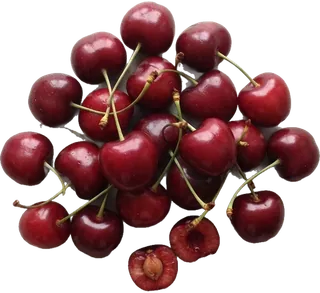
The pot holds one thing: crushed grapes, left to sit until their own sugars and the wild yeast on the skins turn must into something between juice and wine. Nothing animal enters at any stage, and nothing else plant-based is added either — no water, no sugar, no spice, in the traditional version pressed at the vineyard. Commercial bottlers sometimes add sugar to sweeten a drier batch or water to stretch a barrel further, which changes the sugar content but not the fact that the drink, from must to glass, never touches an animal product.
Where to get it
Roadside puestos and fondas across Maule and O'Higgins during Fiestas Patrias week in September, poured from barrel or garrafa into plastic cups for CLP 1.000-2.000; also sold fresh from small wineries around Curicó, San Fernando and Cauquenes during the grape harvest in March and April.