Dajia Yutou
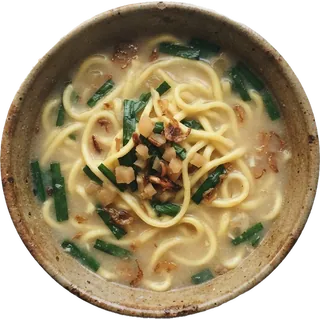
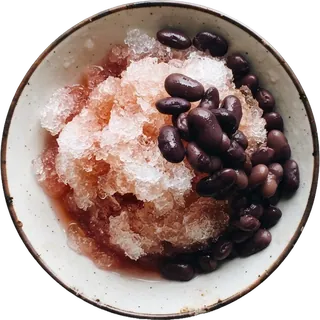
The betel-nut taro grown on the black sandy plain of Dajia in Taichung, a large starchy corm with purple threads through white flesh, cooked into savoury pots, sweetened in syrup or milled into paste and balls.
How to order
老闆,大甲芋頭一斤多少?
The corm is plant throughout; the doubt is the pot it goes into, so when ordering a cooked dish ask 「這個是素的嗎?有沒有加排骨或豬油?」, meaning is this vegetarian and has pork rib or lard gone in.
History
The variety is binlangxin, named for the way a cut corm resembles the heart of a betel palm, and it is the oldest and best known taro grown in Taiwan. Dajia and the neighbouring districts of Da'an, Houli and Waipu sit on the black sandy alluvium between the Dajia and Da'an rivers, and Taichung is the largest taro-producing city in the country, with roughly 850 hectares and about 12,000 tonnes a year, of which some 400 hectares are in Dajia. The crop takes eight to ten months in the ground; harvest runs from August to April, with the autumn and winter corms considered the best. The Dajia Farmers' Association runs a taro processing plant and issues a place-of-origin mark.
Taro is a corm, so there is nothing animal in the ingredient itself; the question is what it is cooked with. The processing plant turns surplus and misshapen corms into cubes, paste, flour and taro balls, all of which are plant, and the sweet preparations are simply taro simmered in sugar syrup. The two places an animal ingredient enters are the savoury side, where taro is most often stewed with pork ribs, and some taro pastes and fillings, where lard or butter is worked in for richness. Boiled, steamed or sugared, the corm needs neither.
Where to get it
Farm stands and shops in Dajia District and the Dajia Farmers' Association, which sells fresh and frozen taro in season from roughly October to April; the association also runs taro promotion events in the district, including at Cide Temple in Rinan.