Gongguan Hongzao
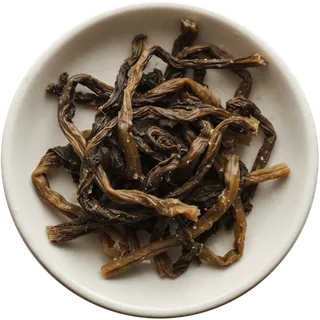
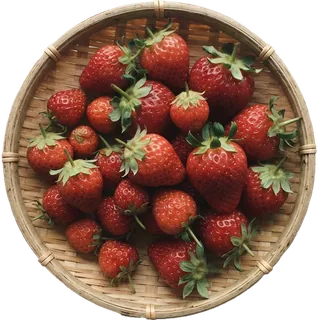
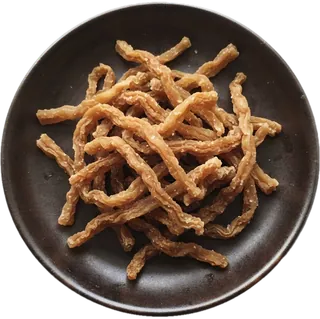
Chinese jujubes grown in Gongguan Township, Miaoli County, eaten crisp and green-red as fresh fruit in July and August, or dried into the red dates used in soups, teas and porridge the rest of the year.
How to order
老闆,新鮮紅棗怎麼賣?給我一斤。
Dried or fresh, the fruit is plain; the question is what it is cooked into, so at a restaurant ask '紅棗湯是用雞湯煮的嗎?' — whether the jujube soup is made with chicken stock — and ask for the dates in tea or porridge instead.
History
Gongguan is the only township in Taiwan with a commercial jujube crop. The trees are traced to Shiqiang village, where a friend of Chen Huan-nan brought two seedlings in 1875; the fruit was shared around as a children's snack before neighbours began planting it in earnest. More than a century of isolation produced a local strain that agricultural researchers named after him, grown on the sandy, well-drained ground between the Houlong and Fude rivers. Harvest runs from mid-July into August, when fruit is picked at different stages of colour; split fruit is dried into red dates. The farmers' association runs a certification mark and a July jujube festival.
Jujubes are tree fruit, fresh or dried, and nothing animal is involved in either state: drying is done with heat and air, not with honey or gelatin, and the certification scheme checks for pesticide residue rather than for added ingredients. The point where an animal ingredient enters is the cooking pot, because the best-known use of red dates in Miaoli is a chicken soup, and restaurants in the township build their jujube menus around chicken, pork ribs and pig's trotters. Dates simmered into a tea with ginger and brown sugar, or into rice porridge, keep the dish plant-based.
Where to get it
Shiqiang, Fuxing and Fude villages in Gongguan, where orchards open for picking in the second half of July; the Gongguan farmers' association sells certified fresh fruit in season and dried red dates year-round, and holds its jujube festival in mid-July.