Caipu
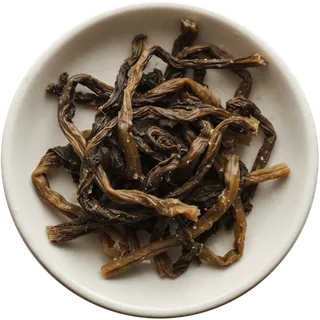
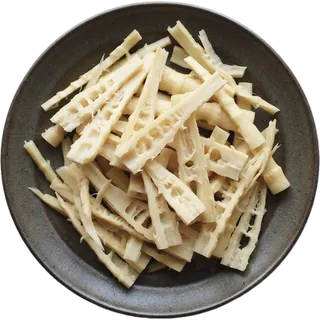
White radish cut into strips, rubbed with coarse salt, pressed under stones and dried in the sun over days until it shrinks to a tenth of its weight. Houlong Township on the Miaoli coast makes it from its winter radish crop.
How to order
老闆,菜脯一包多少?
The packaged preserve is radish and salt only, so check the label for added sugar rather than for anything animal; ordered as a dish the usual form is a caipu omelette, so ask '有沒有不加蛋的炒菜脯?' — whether there is a stir-fried caipu without egg.
History
Houlong grows radish through the winter on sandy coastal ground, and the township office, which counts watermelon, sweet potato and peanut as its three staples, began running a radish festival in the fields at Xiushui in January 2025, with pulling, tasting and pickling demonstrations. The preserving method is the Hakka one used across northern Taiwan: radish washed and cut into strips or chunks, salted in a vat or crock, weighted overnight with a heavy stone to force out water, then spread in the sun by day and salted and weighted again at night, repeated for a week or more. Ten kilos of radish make about one kilo of caipu.
Caipu is radish, coarse salt and sunlight, with nothing else added; traditional makers put in no sugar, no preservative and no animal ingredient, and the oldest crocks, kept dark for years, become the near-black lao caipu valued for soup. Animal ingredients enter wherever caipu is used rather than in the preserve: the best-known dish made with it is an omelette, the aged version is usually simmered with chicken, and the chopped radish filling in Hakka rice cakes is normally fried with minced pork and dried shrimp. Fried alone with chilli and soy sauce it stays plant-based.
Where to get it
Farm stalls and the farmers' association in Houlong sell dried radish from the winter crop, and the township's radish festival at Xiushui in January opens the fields for pulling; aged lao caipu is sold by weight at Hakka dried-goods stalls in Miaoli markets.