Dhindo
Dhindo is a stiff dough of finger millet or maize flour beaten by hand into boiling water until it holds together, eaten hot with gundruk and pickle in Nepali-speaking households of Gangtok and the Sikkim hills. It is everyday lunch and dinner food, not a festival dish.
How to order
मलाई एक प्लेट ढिँडो दिनुहोस्।
To be sure of a plain plate, ask ‘घ्यू हालेको छ?’ — whether ghee has been added — since some households finish dhindo with a spoonful at the table.
History
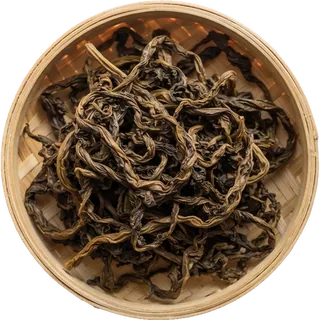
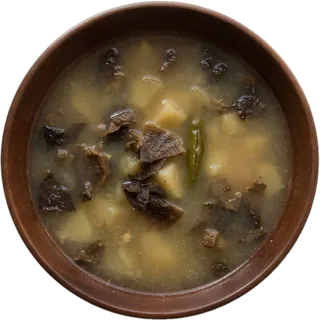
Dhindo is made by beating finger millet (kodo) or maize flour into boiling water until the mixture pulls into a single dense mass, a method documented among Nepali-speaking households across the Sikkim hills, Gangtok and the Darjeeling-Kalimpong region, where finger millet grows more reliably than rice on steep terraced land. It is a daily staple rather than special-occasion food, eaten at midday or in the evening with gundruk, the fermented leafy green common to Nepali, Limbu and Gurung kitchens, and with a side of pickle. Small eateries and mess-style restaurants in Gangtok keep it on the regular menu alongside rice thalis.
The standard plate is naturally vegan: millet or maize flour, water and salt, served with gundruk and achar that contain no dairy, egg or meat in the base recipe. What varies is the finish and the company it keeps. Some households stir in a spoonful of ghee just before serving, and gundruk achar is occasionally made with dried fish paste (sukuti) in households with coastal or Assamese influence. Dhindo is also commonly plated beside pork or chicken dishes rather than mixed with them, and the same pan may be used for both, so a diner wanting the plain version is better off asking directly than assuming.
Where to get it
Served in Nepali-run eateries and mess-style restaurants in Gangtok, and in homes across the Sikkim hills, usually at lunch alongside gundruk and pickle rather than at festivals.