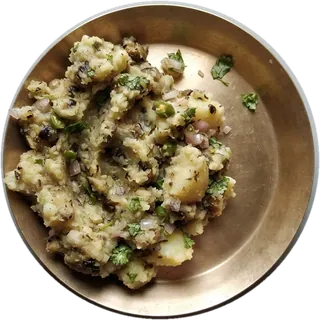
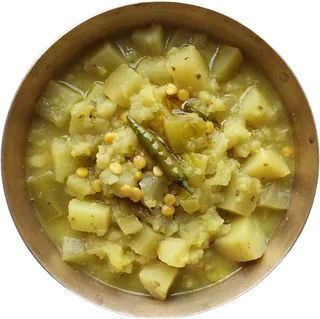
Sinki
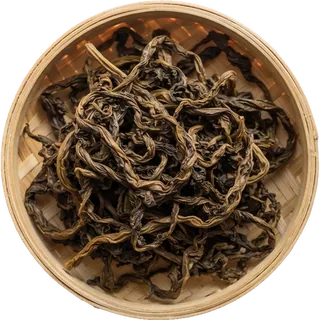
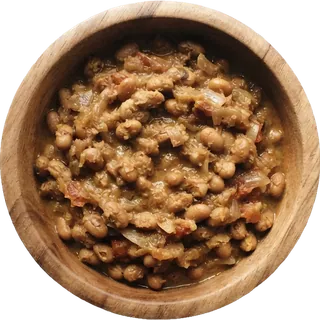
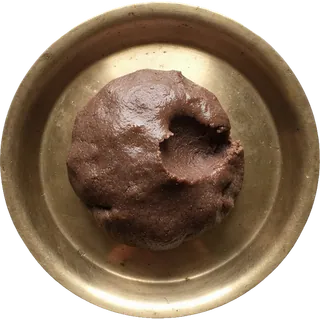
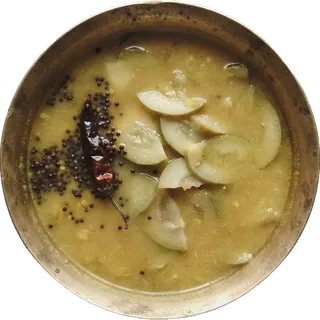
Sinki is a lactic-fermented radish taproot, dried and stored by Nepali-speaking households in Sikkim and Darjeeling, then simmered into a sour soup eaten through the winter months.
How to order
कृपया सिन्की दिनुहोस्।
At a stall or mess, it is worth asking ‘के यसमा घिउ वा दही छ?’ — whether ghee or curd has been added — since some cooks finish the soup with one or the other.
History
Sinki is made across Sikkim and the Darjeeling hills, in Nepali-speaking households and small farms, from the taproots of radish plants grown in kitchen gardens. The roots are washed, wilted in the sun for a day, then packed tightly into pits lined with leaves, weighted down, and left to ferment anaerobically for two to four weeks. Once fermentation finishes the sinki is dug up, sliced, and dried in the sun or over gentle heat for storage through the year. Dried sinki is sold in local markets in Gangtok, Namchi and Darjeeling town, and is also kept at home, to be rehydrated and cooked whenever needed.
The standard version of sinki is naturally vegan: the fermentation uses only radish and time, with no dairy, meat or fish involved, and no animal product is required at any stage of pickling or drying. In practice a diner still has to check the finished soup, since cooks in Sikkim and Darjeeling sometimes finish it with a spoon of ghee, serve it beside a bowl of curd, or cook it in a pan shared with meat stock. In some hill markets a related fermented-fish preparation is sold under a similar name, so asking what is actually in the pot remains worthwhile.
Where to get it
Dried sinki is sold year-round in hill markets such as Lal Bazaar in Gangtok and the Darjeeling bazaar, and the cooked soup appears on home and small eatery menus in Sikkim and Darjeeling through the winter months.