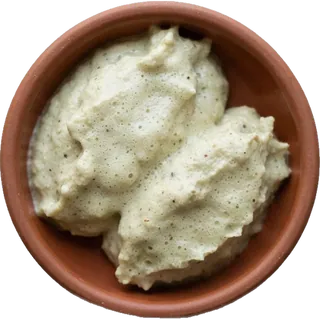
ድርቆሽ (Dirkosh)
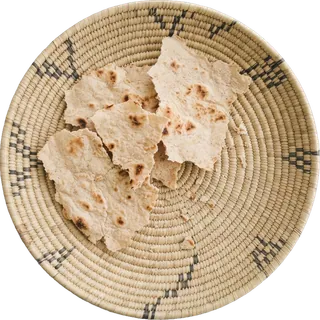
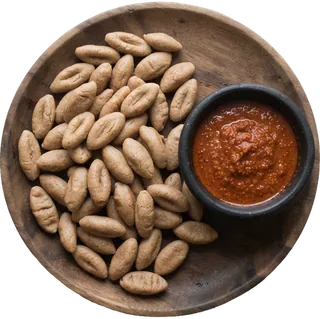
Dirkosh is injera broken into shards and dried hard in the sun until it keeps for months. Tigrayan households store it for travel, herding camps and days with no fresh bread, softening the shards in tea or a thin sauce before eating. Vendors in Mekelle and Adwa markets sell it loose by the kilogram.
How to order
እባክዎ ድርቆሽ ያለ ቅቤ፣ ሻዩን ያለ ወተት ይስጡኝ፤ አመሰግናለሁ።
The sale runs in Amharic at highland markets and in Tigrinya in home kitchens, though Amharic is understood everywhere dirkosh is sold. Asking for it “ያለ ቅቤ” (without butter) settles the sauce, and asking for the tea without milk covers the rest, since neither is mixed in until the shards are already in the bowl or cup. Outside the Wednesday and Friday fasts and the long fasting periods, when the sauce is already made in oil, this is the one thing worth confirming before paying.
History
Dirkosh is the Tigrinya name for injera dried hard and broken into pieces; the term covers both the drying method and the resulting shards, eaten across the Tigray highlands around Mekelle, Adwa, Axum and Shire. Teff, the cereal grown on these highland plots, is ground, mixed with water and fermented for two or three days before being poured thin onto a mitad and baked into injera exactly as for the bread eaten fresh. Cooks set extra rounds aside, tear or cut them into pieces, and spread them on cloth in direct sun until they dry hard enough to keep for months in a sack or basket. Herders and travelers carry it; households keep a reserve for days when no one bakes fresh bread. Market stalls in Mekelle sell it loose by weight next to fresh injera and teff flour.
The shard itself is teff and water only: the grain ferments with naturally occurring yeasts, bakes without fat, and dries in the sun without further addition, so dirkosh out of the sack is entirely plant. Animal product enters only in what the shards are softened in before eating — a sauce finished with niter kibbeh, or tea boiled with milk — added at the stove, not at the table. On Wednesdays, Fridays and through the long Orthodox Tewahedo fasts, Tigrayan cooks make that dipping sauce in oil instead of butter, so dirkosh eaten then carries no dairy. Outside fasting periods, what needs settling before ordering is whether the sauce or the tea already has butter or milk stirred in, since that choice is made before the shards ever reach the bowl.
Where to get it
Sold loose by the kilogram at market stalls in Mekelle, Adwa and Axum, and kept year-round in household sacks rather than tied to a single season; a kilogram runs about 40-60 ETB.