ሕልበት (Hilbet)
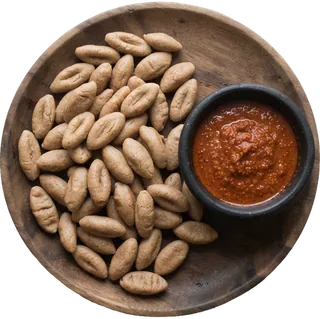
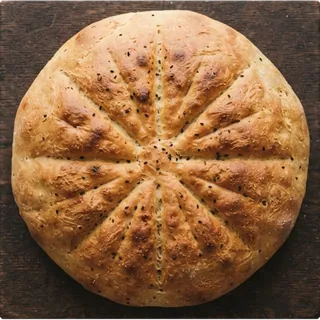
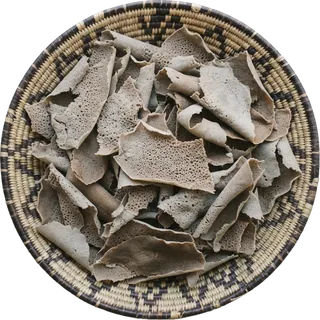
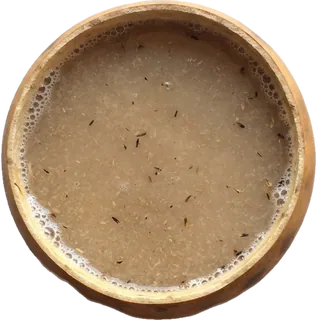
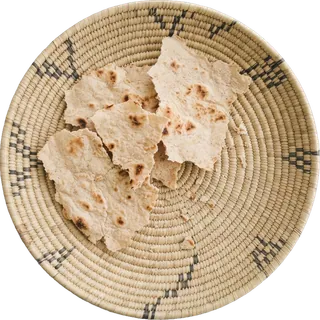
Dried broad beans and fenugreek seed, soaked separately, then roasted and ground into flour before being beaten with water, garlic, chilli and oil into a pale, thick paste. Vendors and households across Tigray prepare it chiefly during the Orthodox Tewahedo fasting periods, serving it cold alongside injera or wheat bread.
How to order
እባክዎ አንድ ሕልበት ከዳቦ ጋር ይስጡኝ።
The sale runs in Tigrinya at stalls in Mekelle and Adwa, and in Amharic elsewhere, since hilbet travels on fasting-season tables across the country. Because every ordinary version is already free of butter, cheese and milk, no animal-product question needs settling; the one point worth agreeing on is heat, asking the vendor for “ተጨማሪ በርበሬ” (more chilli) or less. Portions are usually cut and ready, so pointing and paying closes the purchase.
History
Hilbet (ሕልበት) is the Tigrinya word for this bean-and-fenugreek paste, prepared in Tigrayan households and small eateries from Mekelle to Adwa and Axum. Cooks soak dried broad beans (baqela) and fenugreek seed (abish) separately, then grind them, traditionally on a flat grinding stone and now often at a neighborhood mill, into a fine flour. The flour is beaten by hand with water, garlic and chilli into a pale, dense paste, left to firm, then cut into portions. It is sold by the piece at market stalls through the Tewahedo fasting periods — the Great Lent before Easter and the Fast of the Apostles among them — and kept at home for the same weeks, eaten cold with injera or wheat bread.
Every component of hilbet is plant: broad beans, fenugreek, garlic, chilli and the oil used to loosen the paste. No butter, cheese or milk enters at any stage, since the dish is cooked specifically for the fasting calendar, when niter kibbeh and ayib are set aside in favor of oil. Outside the fasting weeks some households still make it the same way, as a bean dish rather than a meat substitute, so the recipe itself does not change by season. Buying it therefore requires no negotiation over animal product; the one practical question is whether chilli has been added to taste, since some versions are milder than others.
Where to get it
Market stalls and small eateries across Tigray, in Mekelle, Adwa and Axum, sell hilbet by the piece chiefly during the Great Lent before Easter and the Fast of the Apostles, for roughly 15-30 ETB a portion.