ብርኩታ (Birkuta)
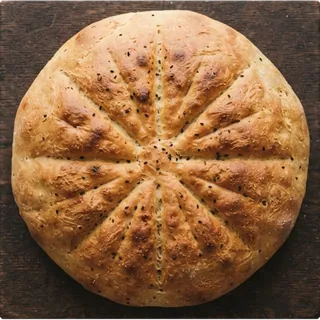
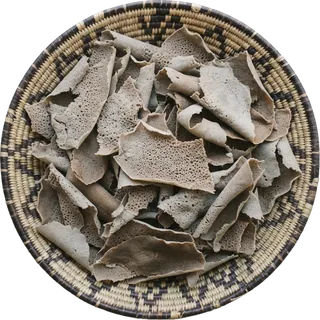
Birkuta is a thin, unleavened bread from the Tigray highlands, rolled from wheat or barley flour and baked dry on a clay griddle until it hardens completely. Vendors and households sell it broken into pieces at markets in Mekelle, Adwa and Aksum, carried on journeys and eaten alongside tea.
How to order
እባክዎ አንድ ብርኩታ ይስጡኝ።
The transaction runs in Tigrinya at markets across Tigray, though Amharic, the federal working language, is understood at bus stations and in town shops. Nothing needs settling before buying birkuta, since the dough is only wheat or barley flour, water and salt baked dry, with no butter, cheese or egg added at any stage or at the table. Asking simply for “አንድ ብርኩታ,” one birkuta, covers the order completely.
History
Birkuta is the Tigrinya name for this bread, baked across the Tigray highlands around Mekelle, Adwa, Aksum and Adigrat. Households, usually the women who tend the mogogo griddle, mix wheat or barley flour with water and salt into a stiff dough, roll it thin and lay it on the hot clay surface without the fermentation used for injera. The baking runs longer and drier than for injera, driving out moisture until the bread turns brittle and keeps for weeks without spoiling. It is broken into pieces and carried on foot journeys, bus trips and market days, and sold loose by weight at town markets and roadside stalls.
Everything in birkuta is plant: flour, water and salt, mixed, rolled and baked dry with no fat, butter or egg at any stage. No animal product enters the dough before baking or after, and nothing is added at the table, so the bread sold during the Orthodox Tewahedo fast and the bread sold on any other day are the same recipe. Because of that, nothing needs to be settled when buying; there is no fasting-day substitution to request, since the dish was never made with niter kibbeh, ayib or ergo in any form.
Where to get it
Markets and roadside stalls across Tigray — Mekelle, Adwa, Aksum and Adigrat — sell birkuta year-round, broken into pieces and sold by weight or by the piece, for roughly 5 to 15 ETB per piece or 80 to 120 ETB per kilogram.