Gamja-jeon
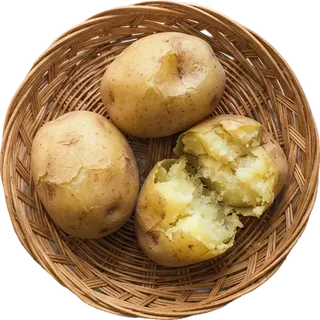
Raw potatoes are grated, the water drained off until the starch settles, then stirred back into the pulp and fried into a chewy, nearly translucent pancake. It is mountain food from Gangwon-do, eaten at market stalls and at home with bowls of makgeolli.
How to order
계란 빼고 감자전 주세요.
Egg is mixed into the batter before frying, not added afterward, so it cannot be picked out once the pancake is cooked; ask before ordering with “계란 빼고 감자전 주세요.” Many Gangwon stalls and home cooks use only potato, salt and oil already, so the question is often answered with a simple yes.
History
Gamja-jeon (감자전) is mountain food from Gangwon-do, the province of steep terrain and short growing seasons where potatoes, not rice, have long been the staple crop, grown around Pyeongchang, Jeongseon and the highland fields near Gangneung. Cooks grate raw potatoes by hand, let the water stand until the starch settles to the bottom of the bowl, pour off the water, and scrape the starch back into the pulp before ladling it onto a hot, oiled pan. The result fries up chewy and nearly translucent at the edges. It is cooked at home and sold at Gangwon market stalls, the classic pairing for a rainy-day bowl of makgeolli.
Gamja-jeon skips the usual hiding places for animal product in Korean cooking: it is not kimchi, so no jeotgal (젓갈) goes into a paste, and it is not a soup or noodle dish, so no myeolchi-yuksu, the anchovy-and-kelp stock, sits under it. The base recipe is just potato, salt and oil. The one variable is egg: many Gangwon kitchens beat an egg into the batter along with wheat flour, for a firmer, more golden pancake, and once mixed in it cannot be removed. A plant-based order depends on whether the cook adds egg before the batter is fried, worth asking before, not after.
Where to get it
Market stalls and small eateries across Gangwon-do — the five-day markets in Jeongseon and Pyeongchang, roadside stalls on the Daegwallyeong pass, home-style restaurants in Chuncheon and Gangneung — serve it year-round as an afternoon snack, usually with a bowl of makgeolli; a plate runs about 8,000-12,000 won.