Groshë
Dried beans simmer for hours in a clay pot set at the edge of the hearth, with onion, sweet paprika and oil, until the beans break down into a thick broth. In Dibër and Kukës it is the dish eaten most days of the year, from autumn through to spring.
How to order
Një groshë pa mish, ju lutem.
Ask before the pot goes on, not after: “A e bëni groshën pa mish?” In many kitchens the bone or cured meat is added at the very start of cooking, so once a pot is already simmering, nothing can be taken back out of it.
History
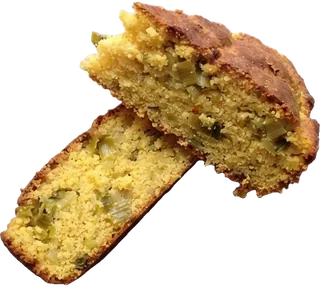
Groshë is cooked through the highland districts of Dibër and Kukës, in Gheg-speaking villages where the pot sits at the edge of the hearth instead of over open flame, so the beans soften slowly without the water boiling away. It is not a feast dish but an everyday one: a pot made on a Monday can be reheated through the week, eaten at midday with cornbread. The autumn zahire — beans and paprika dried and stored before the first snow — carries the dish through winter into spring. Rural depopulation since the 1990s has thinned Dibër's villages, though groshë is still cooked in Peshkopi and around Kukës.
The base of groshë is plant throughout: dried beans, onion, sweet paprika and oil, simmered in water until the beans collapse into a thick broth. Animal product enters at the start of cooking rather than at the table — most households and taverna kitchens drop a piece of cured meat, often a smoked rib or a ham bone, into the pot alongside the beans, and once the pot has simmered for hours the fat and marrow cannot be separated back out. A groshë made without it exists in some homes, particularly during Lent, but it has to be asked for before the pot goes on, not after.
Where to get it
Family kitchens and small highland tavernat across Dibër and Kukës, served at midday from a communal pot rather than made to order; a bowl with cornbread costs 150-250 lekë in a village taverna.