Haupia
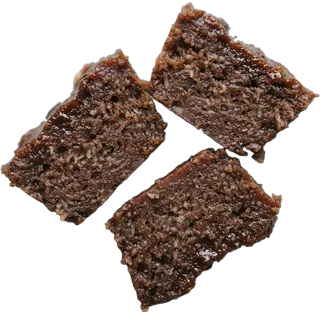
Coconut milk thickened with pia arrowroot or cornstarch sets into firm squares that Kanaka Maoli cooks serve at lūʻau alongside kalua pig and poi, a dessert valued for its clean coconut taste and dense, custard-like bite.
How to order
Could I get a piece of haupia, please?
Confirm the square itself is plain coconut pudding by asking ‘is this just coconut and cornstarch?’, since some bakeries layer haupia under whipped cream or custard.
History
Haupia is made by Kanaka Maoli (Native Hawaiian) cooks and has long been served at lūʻau, the feasts marking birthdays, weddings and family gatherings across the Hawaiian Islands. Coconut palms grew throughout the islands before European contact, and coconut milk, squeezed from grated mature coconut meat, formed a base for dishes separate from the pork, fish and poi that make up the rest of a lūʻau spread. The pudding was traditionally set with pia, the starch extracted from the root of Hawaiian arrowroot, a plant Polynesian voyagers are believed to have carried to the islands. It is cut into squares and served chilled, often alongside chocolate haupia pie in home kitchens and bakeries across Honolulu and beyond.
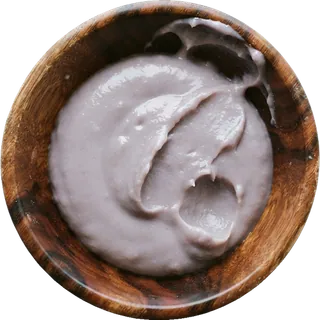
The pot holds only coconut milk, sugar and a starch binder, pia arrowroot in the oldest versions, cornstarch in most kitchens today, with no dairy, egg or gelatine at any stage. Haupia is naturally plant-based as traditionally made, and the only place it can shift is at a lūʻau table where it sits beside dishes built around pork and fish, or in bakeries that use it as a layer under whipped cream or custard in haupia pie and cake. A diner confirming it is plant-based asks whether the pie or cake uses dairy cream on top, since the haupia layer itself is coconut and starch alone.
Where to get it
Lūʻau caterers, bakeries and farmers markets across Oʻahu and the neighbor islands sell haupia year-round, with extra stands at summer festivals and graduation parties.