Kūlolo
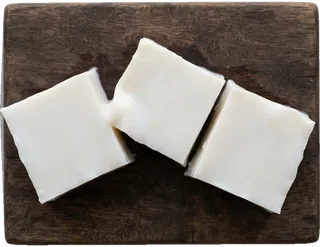
Kūlolo is a dense, chewy pudding of grated taro and coconut, baked for hours until it turns dark and sticky, traditional to Native Hawaiian kitchens in Hilo.
How to order
Could I please get a piece of kūlolo?
At a bakery counter you can ask ‘is this made with just coconut milk?’ to make sure no butter or condensed milk was added to the taro and coconut base.
History
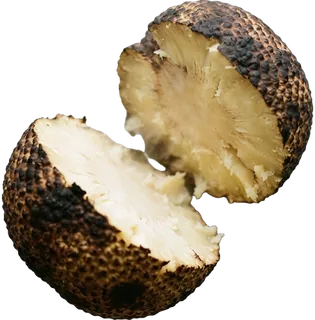
Kūlolo is made by Native Hawaiian families and bakers on Hawaiʻi Island, especially around Hilo, where taro has grown in wetland loʻi for generations. The grated corm is mixed with grated coconut and sugar, wrapped, and set into an imu, the underground oven lined with hot stones and ti or banana leaves, to bake slowly for several hours until it darkens and firms into a dense block. It is a standard dish at luau and family gatherings, alongside poi and kalua pig, and bakeries in Hilo now sell it year-round in small wrapped squares.
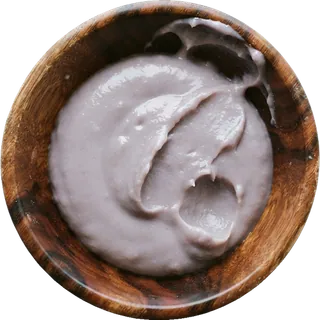
The traditional recipe holds nothing animal: grated taro, grated coconut and sugar, baked in an imu with no added fat beyond what the coconut itself provides. Kūlolo is naturally vegan as eaten in Hilo homes and at luau tables. The one place a cook might depart from this is in commercial versions, where some bakeries smooth the texture with butter or sweetened condensed milk instead of pressing more coconut cream, so a diner buying it packaged confirms the recipe uses coconut milk alone before ordering.
Where to get it
Kūlolo is sold at bakeries and farmers markets in Hilo on Hawaiʻi Island, and at luau and the Merrie Monarch Festival each spring.